
A fiberglass flagpole may look simple once it is standing in a yard, but creating that smooth, tapered shaft takes several careful steps. The manufacturing process behind fiberglass flagpoles starts with reinforced materials and ends with a finished pole ready for hardware and installation.
For homeowners, understanding what happens between those stages can make product comparisons easier. The process helps explain why details like the pole’s taper, exterior finish, and construction method matter when you are choosing a permanent display for your property.
How Fiberglass Flagpoles Start With Reinforced Materials
Fiberglass is a composite material, meaning it combines reinforcing glass fibers with resin to create a rigid structure after curing. The glass fibers add reinforcement, while the resin surrounds and binds them together. Once those materials cure, they form the body of the pole rather than simply coating another shaft.
Manufacturing methods vary by producer, so not every fiberglass flagpole is built the same way. Some are formed with seams, while others use seamless construction.
That difference matters when you compare poles. A seamless shaft avoids the vertical joint that can appear on some molded products and gives the pole a smoother profile from top to bottom.
How Craftspeople Create the Tapered Shape
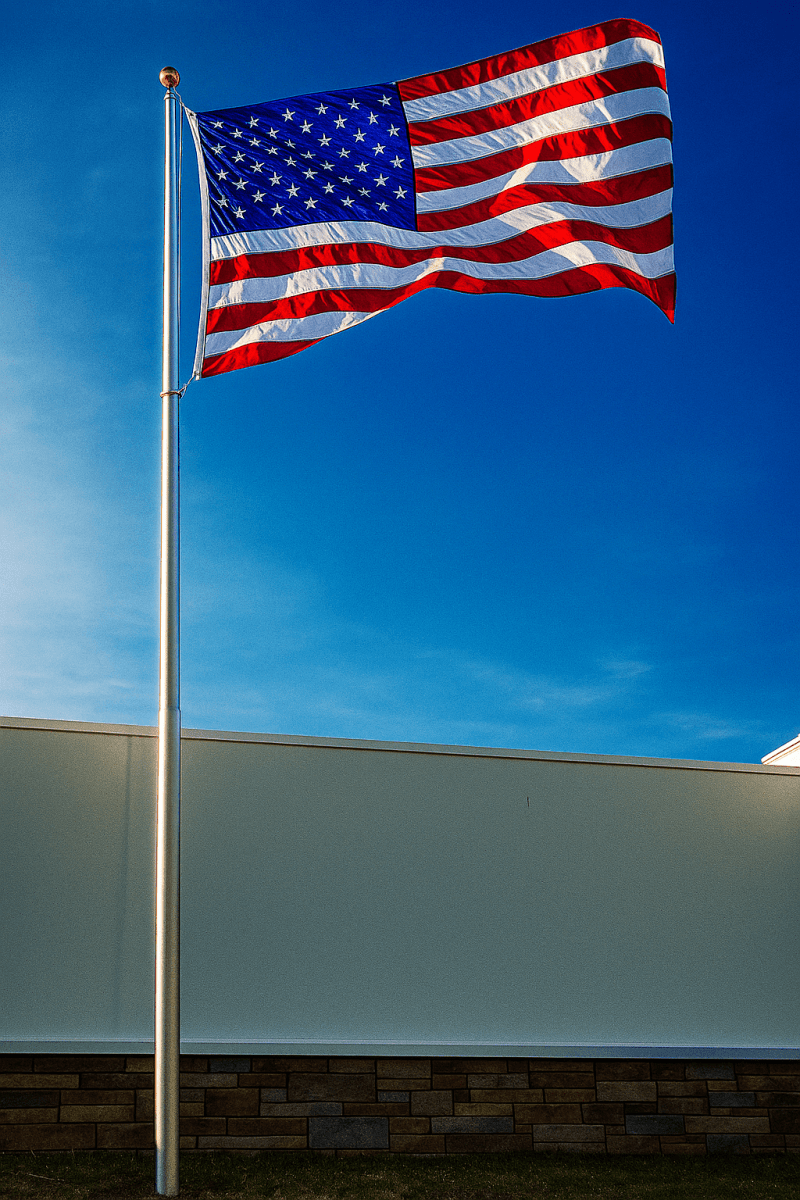
Most permanent fiberglass flagpoles are not straight tubes from top to bottom. They taper, which means the shaft is wider near the base and gradually narrows toward the top. That shape gives the pole the familiar proportions seen in traditional in-ground flag displays.
During production, the reinforcing material and resin are formed into that planned shape. On handcrafted models, material can be built up through multiple layers until the shaft reaches its intended profile. The exact method depends on the manufacturer, but the goal is a consistent one-piece form that can support the completed flagpole system.
The taper matters visually, too. A well-proportioned shaft looks more natural beside a home and keeps the pole from appearing bulky. Manufacturing influences not only how the pole is built but also how it looks once it becomes part of the property.

How the Composite Structure Cures
Fiberglass does not begin as the solid pole you eventually see in the yard. After the reinforcing fibers and resin are formed into the intended shape, the resin must cure. Curing is the hardening process that turns the combined materials into a stable composite structure.
This stage gives the shaft enough rigidity to hold its form as it moves into later production steps. The pole can then be prepared for finishing and hardware without losing the shape established during fabrication.
The process also helps explain one basic difference between fiberglass and metal. Fiberglass does not rust because its structure is not made from steel or another ferrous metal. For homeowners comparing flagpole materials, that can be a useful consideration for long-term outdoor display.
How the Exterior Gets Its Smooth Finish
After the structural portion of the pole is complete, attention turns to the exterior. A glossy gel coat finish gives the shaft its smooth, polished appearance and helps create the clean look many homeowners want around a permanent flag display.
The finish matters because the pole remains visible every day, even when your attention is on the flag. A smooth exterior can help the shaft look more refined beside landscaping and other exterior features.
The finishing stage also gives manufacturers a chance to address small surface imperfections before the pole is completed. Any uneven areas can stand out once the shaft is installed in an open yard, especially in direct sunlight. A consistent exterior helps the pole look intentional from different viewing angles and keeps attention on the flag rather than on visible flaws in the surface.
How Manufacturers Prepare the Pole for Hardware
A fiberglass shaft still needs the working parts that turn it into a usable flagpole. Depending on the model, manufacturers prepare the pole for components such as the halyard and finial. The halyard is the rope used to raise and lower the flag, while the finial is the decorative piece at the top.
Those parts need to work with the shaft as one complete system. The upper portion of the pole must accommodate the hardware that guides the halyard, while lower components keep the rope secured. The exact setup can differ depending on whether the pole uses an external or internal halyard.
Base preparation matters as well. Some fiberglass models are designed for a traditional ground sleeve, while others may use a hinge-base configuration. Matching the shaft and hardware correctly helps the completed display function as intended.

How Quality Details Show Up in the Finished Pole
Once production is complete, the manufacturing details become easier to see. The taper should look even, and the exterior should appear smooth. The hardware configuration should also match the model you selected.
This is where the manufacturing process behind fiberglass flagpoles becomes more than an interesting behind-the-scenes topic. It gives you a better way to compare products that may look similar at first glance. Two fiberglass poles can share the same basic material while differing in how the shaft is formed and finished.
If you are comparing residential fiberglass flagpoles, pay attention to whether the pole uses a seamless one-piece design and what finish options are available. Those visible details can tell you more about the finished product than the material name alone.
That comparison is especially useful when a flagpole will become a permanent part of the front yard. Small construction details are easier to appreciate when you know what to look for.
How Manufacturing Choices Affect Your Home Display
The factory work disappears from view once the pole is installed, but the results stay visible in the taper, surface finish, and way the hardware comes together. Those details help determine how naturally the flagpole fits the property and how polished the overall display feels from the curb.
Liberty Flagpoles offers American-made fiberglass options for homeowners who want a clean, seamless design with several finish choices. Our team can help you compare available models and choose a flagpole that suits your property and the way you want to display your pride.
If you want expert help once you have chosen your pole, visit our professional flagpole installation services page. Our team can help with the setup, so your new flagpole is positioned properly and ready to become a lasting part of your home.