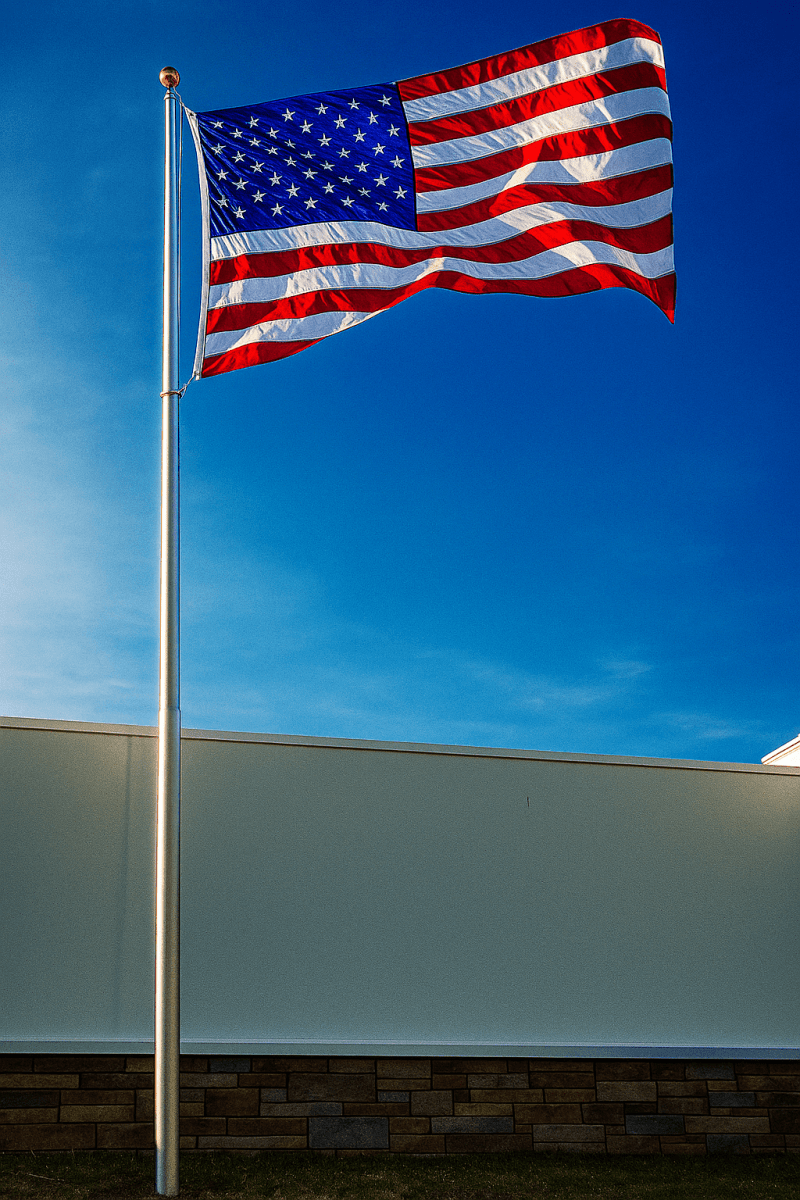
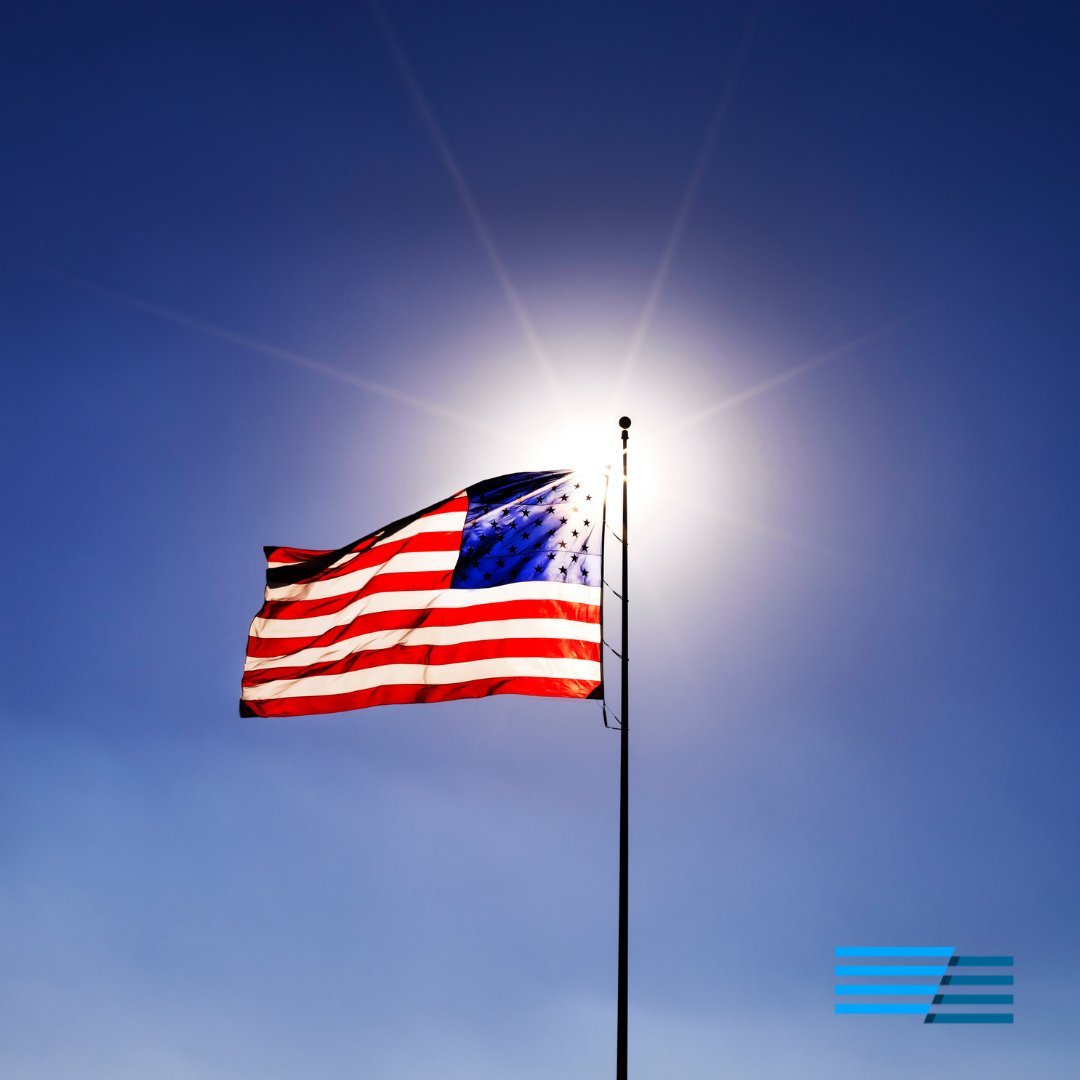
A flag that spends most of the day hanging against the pole may not give you the display you pictured. On the other hand, a flag that faces steady wind needs fabric that can handle constant movement. Comparing lightweight and heavyweight flags helps you see the tradeoff between easy movement and added durability. The better choice depends on the conditions around your flagpole and how you want the flag to perform.
How Lightweight Flags Fit Everyday Displays
When people talk about a lightweight flag, they are usually describing how easily the fabric lifts and moves. Nylon is a common choice because it is light enough to respond well to a slight breeze. That makes it a strong everyday option when you want plenty of visible movement without waiting for windy conditions.
Nylon also dries quickly. After a passing shower, the fabric does not stay weighed down as long as a heavier material might. Combined with its easy movement, that quick-drying performance makes nylon a natural fit for many residential displays.
The main advantages of a lighter-flying nylon flag include:
- It moves more easily in a light breeze.
- It dries quickly after rain or damp weather.
- It works well for many outdoor settings.
These advantages don’t make nylon the right choice for everyone. Frequent strong winds can put more stress on the fly end and seams. If your flagpole sits in a more exposed setting, choosing a heavier material may make more sense.
How Heavyweight Flags Fit Demanding Displays
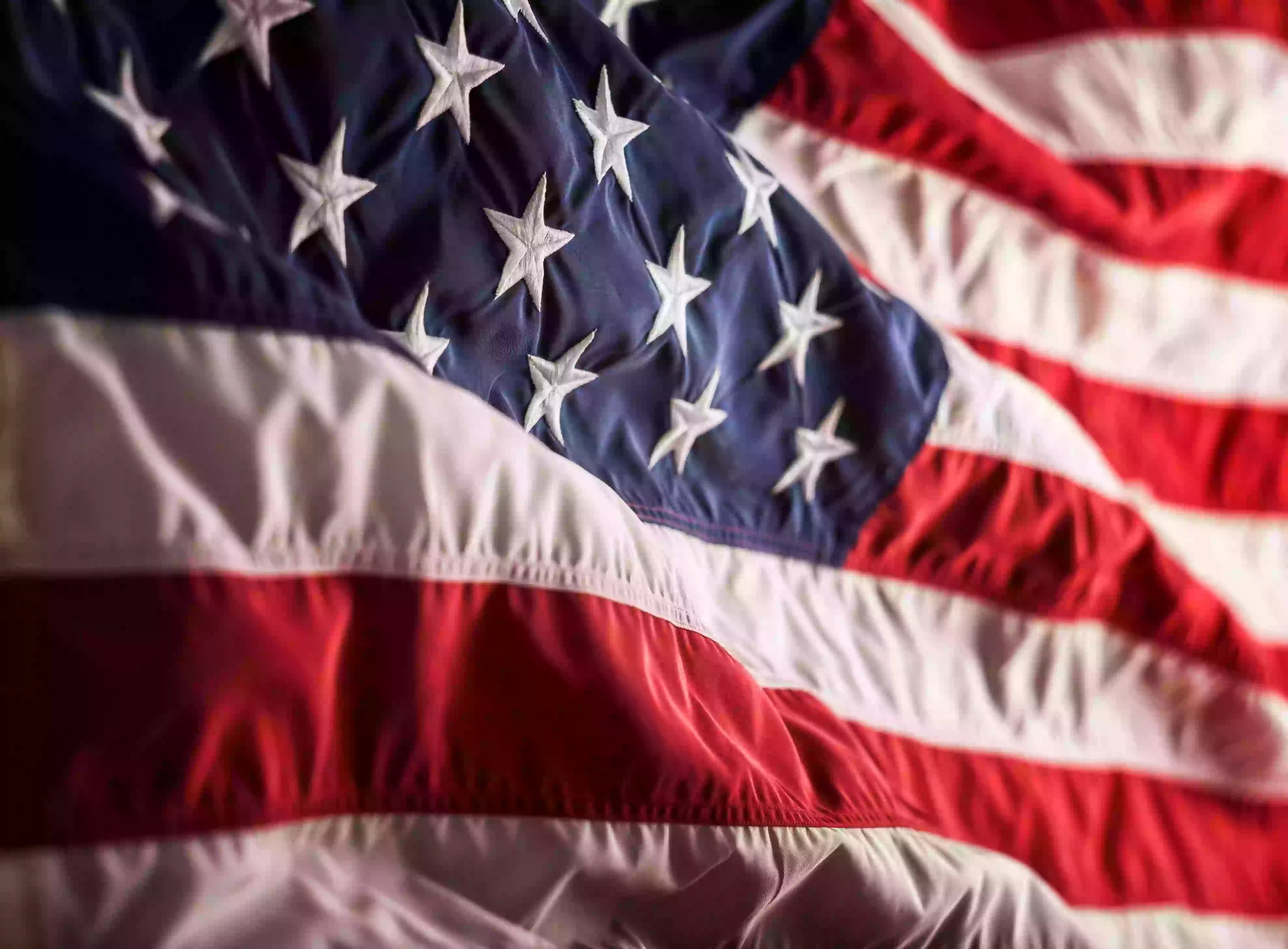
Heavyweight polyester takes a different approach. Two-ply polyester feels more substantial than nylon and is often chosen for tougher outdoor conditions, including locations with greater wind exposure. Its heavier construction suits displays that regularly face more demanding weather.
That extra weight changes the way the flag behaves. Polyester generally needs more wind before it lifts and extends fully, so it may show less movement on a calm day. Once the breeze picks up, however, its heavier construction handles constant movement with ease.
This can make polyester a practical choice for commercial properties and open sites where the flag regularly faces stronger wind. It may also suit homeowners whose flagpole stands in an exposed area rather than behind natural or structural wind protection.
There is still a tradeoff. Choosing the heaviest fabric simply because it sounds tougher can leave you with a flag that hangs more often if your property rarely gets enough wind to move it. The goal is not to choose the heavier option by default; it is to choose the material that fits the conditions.

How Weather Conditions Affect Flag Performance
Wind is usually the biggest factor when choosing between nylon and polyester. A sheltered front yard may see gentle, inconsistent breezes, while an open business property may experience more consistent movement. The same flag can behave very differently in those two settings.
That is why comparing lightweight and heavyweight flags should start with the property itself. Look at how exposed the pole is during a normal week, not only during the strongest storm of the year. Trees, buildings, and other nearby structures can reduce wind exposure, while open areas tend to leave the flag more exposed throughout the day.
Those everyday conditions matter because repeated movement stresses the fabric over time. A flag that regularly snaps and pulls in stronger wind faces a different kind of wear than one that spends most days in lighter breezes. Matching the fabric to that pattern can help you choose an option that performs as expected.
How Flagpole Setup Affects Flag Performance
Fabric is only part of the display. Flag size and the flagpole itself also affect how much force the wind puts on the setup. A larger flag catches more wind, so follow the flagpole manufacturer’s size recommendations rather than assuming a heavier fabric can go on any pole.
The surrounding property matters, too. Nearby structures may block some wind, while a wide-open lawn or parking area can leave the flag more exposed. Spend a little time watching how the air moves around the flagpole before deciding which material fits the location.
Hardware deserves the same attention. Keep flag clips and halyards in good condition so the fabric is not fighting worn components. A correctly sized flag attached to reliable hardware has a better chance of performing the way it should.
Check the flag itself from time to time as well. Pay particular attention to the fly end, which is the outer edge farthest from the flagpole and often shows wear first. Catching loose stitching or early fraying gives you a chance to address the problem before the damage spreads.

How Your Display Priorities Shape the Choice
Once you understand the material differences, think about what you actually want to see when you look outside. If your priority is a flag that moves easily in lighter wind, nylon has a clear advantage. If your property sees tougher conditions and added durability matters more than movement on calm days, polyester deserves a closer look.
For many homeowners, nylon offers the lively appearance people picture when they think about a flag flying in the front yard. Polyester becomes more appealing as wind exposure increases or the display moves into a more demanding commercial setting. Neither choice is automatically better; each simply serves a different type of display.
Before buying, ask yourself a few practical questions:
- Does the property usually get light breezes or stronger wind?
- Is the flagpole sheltered or exposed?
- Will the flag fly every day or mainly on specific occasions?
These questions keep the decision focused on real conditions instead of labels alone. They also make it easier to compare flags without treating “lightweight” as another word for weak or “heavyweight” as automatically better.
Finding the Right Flag Material For Your Property
Once you know which material fits your conditions, choosing the right flag gets much easier. If your property calls for the added durability of polyester, Liberty Flagpoles offers American-made heavy-duty flags for sale, along with nylon options for lighter-wind displays. Our team can help you find a flag that fits your flagpole and the way you plan to display your pride.
If a new flag is part of a larger flagpole upgrade, the installation matters, too. Check out our professional flagpole installation services to see how we can make the installation easier for you. Our team can handle the setup, so your flagpole is ready to give your new flag the display it deserves.