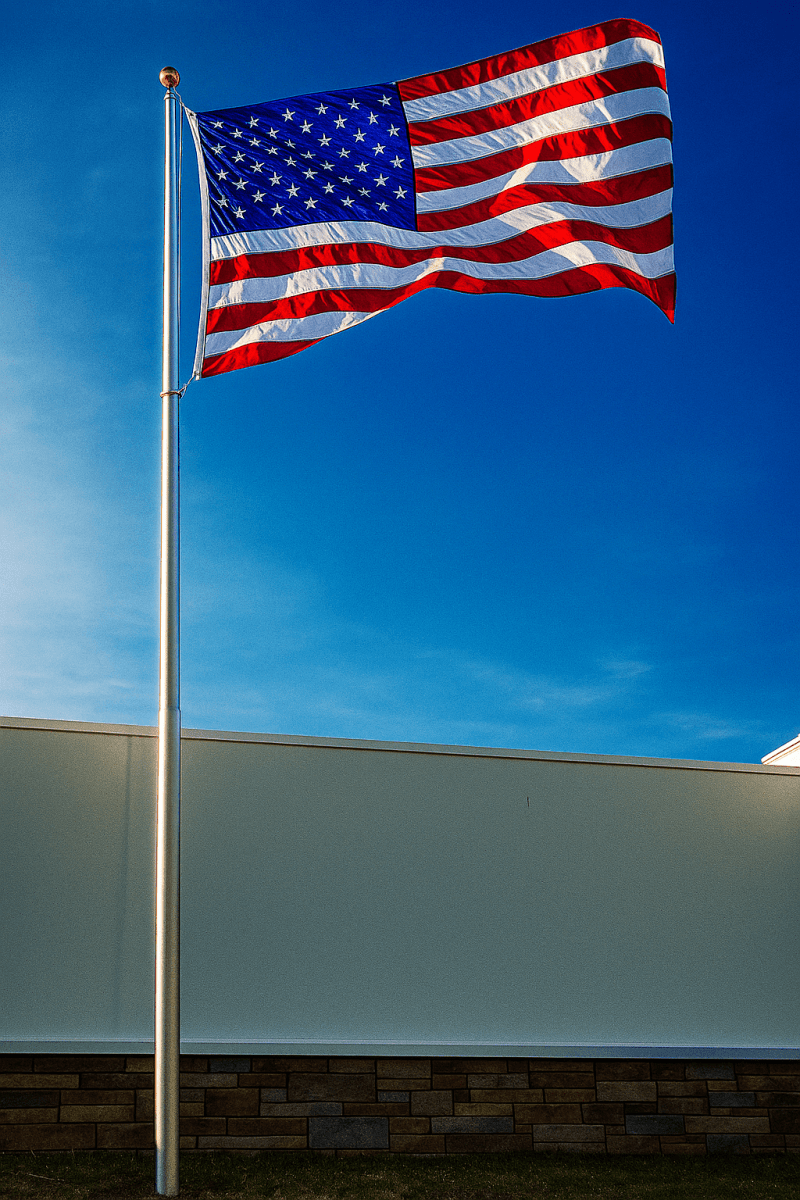
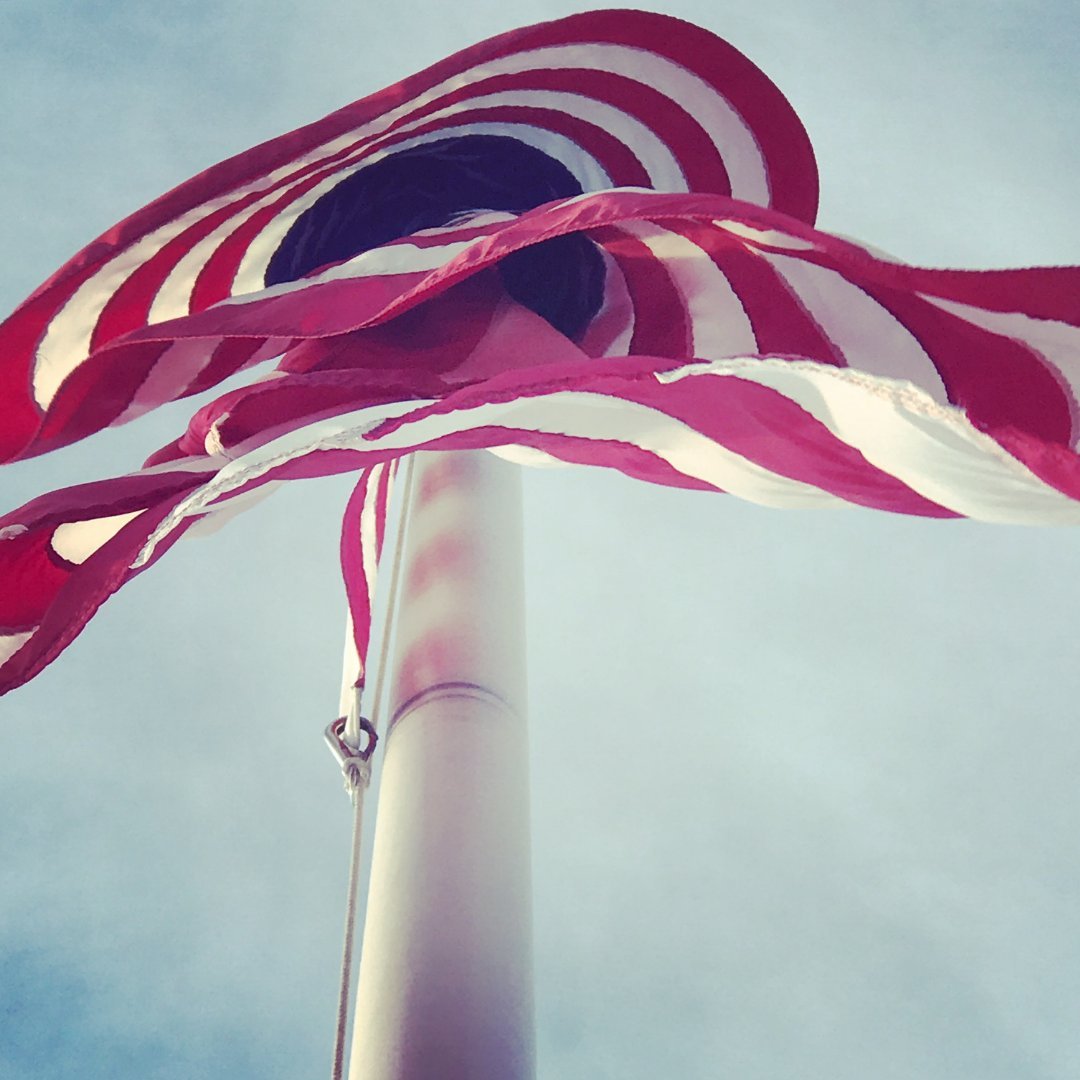
A flagpole looks simple from the driveway, but its shape is doing more work than most people notice. Many permanent poles start wider near the ground and gradually narrow as they rise, creating the familiar profile seen outside homes and businesses. Understanding the role of pole tapering in flagpole designs helps explain why that shape matters for both performance and appearance. It also gives you another useful detail to compare when choosing a flagpole for your property.
How Tapering Gives a Flagpole Its Shape
A tapered flagpole does not keep the same diameter from bottom to top. The lower portion begins with a wider butt diameter, which is the measurement across the pole near its base. From there, the shaft gradually narrows until it reaches a smaller diameter near the top.
That change gives the pole a different profile from a straight tube. The larger lower section creates a substantial base, while the slimmer upper section keeps the pole from looking heavy all the way to the finial. Tapering is separate from how a pole is assembled, so both one-piece and sectional designs can have a changing diameter.
How Tapering Supports the Lower Section
Wind does not place the same demand on every part of a freestanding flagpole. As the shaft bends under wind pressure, the lower portion carries more of the bending demand created by the pole and flag above it. That is one reason a tapered design starts wider at the base.
A larger diameter near the bottom gives the pole more support where structural demands are greater. The shaft can then narrow as it rises instead of carrying that same diameter all the way to the top. In simple terms, the shape puts more size where the pole needs it most.
Taper alone does not tell you how strong a flagpole is, though. Wall thickness and overall height also affect performance. The tapered profile is one part of the design, so consider it alongside the manufacturer's specifications rather than treating it as a strength rating on its own.

How Tapering Affects Wind Performance
A flagpole faces wind across its exposed height, and the flag adds another moving surface that catches air. Manufacturers therefore have to account for the complete shaft when determining how a pole is intended to perform. Tapering plays a role, but it is only one part of that picture.
Two tapered poles can still have different wind ratings because their dimensions or wall thicknesses differ. Flag size can change the load on the pole as well. That is why judging wind performance by shape alone can be misleading.
When comparing models, look for specifications that apply to the exact height you are considering:
- Butt and top diameters
- Wall thickness
- Flagged wind rating
- Unflagged wind rating
- Recommended flag size
- Foundation requirements
Those details tell you much more than the word "tapered" on its own. If your property is exposed to steady wind or frequent strong gusts, reviewing the full specifications can help you choose a pole that suits the site.
How Tapering Shapes the Finished Appearance
Tapering matters structurally, but it also changes what you see from the curb. A wider base adds visual weight near the ground, while the gradual narrowing draws the eye upward toward the flag. That transition can make a tall pole feel more proportional beside a building or across an open lawn.
The effect becomes easier to notice as pole height increases. Carrying one large diameter upward can make a tall shaft look bulky, while a tapered profile creates a smoother transition from the foundation to the top. The pole still has presence, but the flag remains the part that draws your attention.
This is where the role of tapering in flagpole designs becomes especially practical. The shaft stays in view every day, so its proportions affect how naturally the finished display fits the property.
How Tapering Works With Other Pole Dimensions
Tapering should never be considered by itself. Wall thickness describes how thick the aluminum is, while shaft diameter describes the pole's width at a particular point. Together, those measurements shape the finished pole.
Height changes the picture too. A taller pole exposes more shaft to the wind and creates different structural demands than a shorter pole. Two flagpoles can both use tapered aluminum construction but have different performance characteristics.
If you are considering a one-piece aluminum flagpole, review the specifications for the exact model and height instead of assuming every one-piece design is built the same way. Pay attention to how the butt diameter changes between available sizes, then compare the wall thickness. Those details show how the design changes as the pole gets taller.
The same approach helps when you are weighing residential and commercial options. Start with the property and the display you have in mind. From there, use the dimensions and wind information to narrow your choices.

How Tapering Connects to Installation
A tapered pole still depends on the foundation beneath it. The lower diameter must match the sleeve and footing specified for that model. A properly planned installation gives the pole the support its design expects at ground level.
Do not reuse foundation dimensions from another flagpole simply because the two poles share the same exposed height. A change in diameter or construction can affect what the installation requires. Follow the manufacturer's instructions for the exact pole you purchase.
Placement matters as well. Make sure the flag has open space to move before you decide where to dig. Local requirements and underground utilities also need attention before foundation work begins.
How Tapering Comes Together in the Finished Display
Pole tapering is easy to overlook until you understand what the shape accomplishes. The wider lower section supports the area facing greater bending demand, while the narrower upper section keeps the profile balanced as it rises. With the right dimensions and installation, that taper helps the finished display look natural on the property.
Liberty Flagpoles offers American-made aluminum flagpoles for residential and commercial displays. If you are comparing tapered models, our team can help you sort through the available options and choose a pole that fits your property.
Once you have the right pole in mind, check out our professional flagpole installation services. Our team can handle the setup, so your flagpole is properly positioned and ready for you to display your pride.