Flying a flag at home is a meaningful way to display your pride, but not every setup performs the same over time. Understanding how material choice influences residential flag performance helps you create a display that looks sharp and holds up through changing conditions. From the pole to the fabric and hardware, each part plays a role in how everything works together.
Understand Why Material Choice Matters
When you install a flagpole, you’re setting up something that has to handle wind, rain, sunlight, and seasonal shifts. The materials you choose directly affect how well that setup performs over time. A smart decision up front helps reduce wear and keeps everything running smoothly.
Different materials respond to the elements in different ways. Some resist corrosion better, while others flex slightly under pressure instead of fighting against it. These differences show up over time in both durability and appearance.
Material choice also affects how easy your flagpole is to use. A well-built setup feels simple to operate and maintain, which makes flying your flag part of your routine instead of another task on your list.
Compare Common Flagpole Materials
Most residential flagpoles are made from aluminum or fiberglass, and each comes with its own strengths. The right choice depends on your environment and how you plan to use your flagpole.
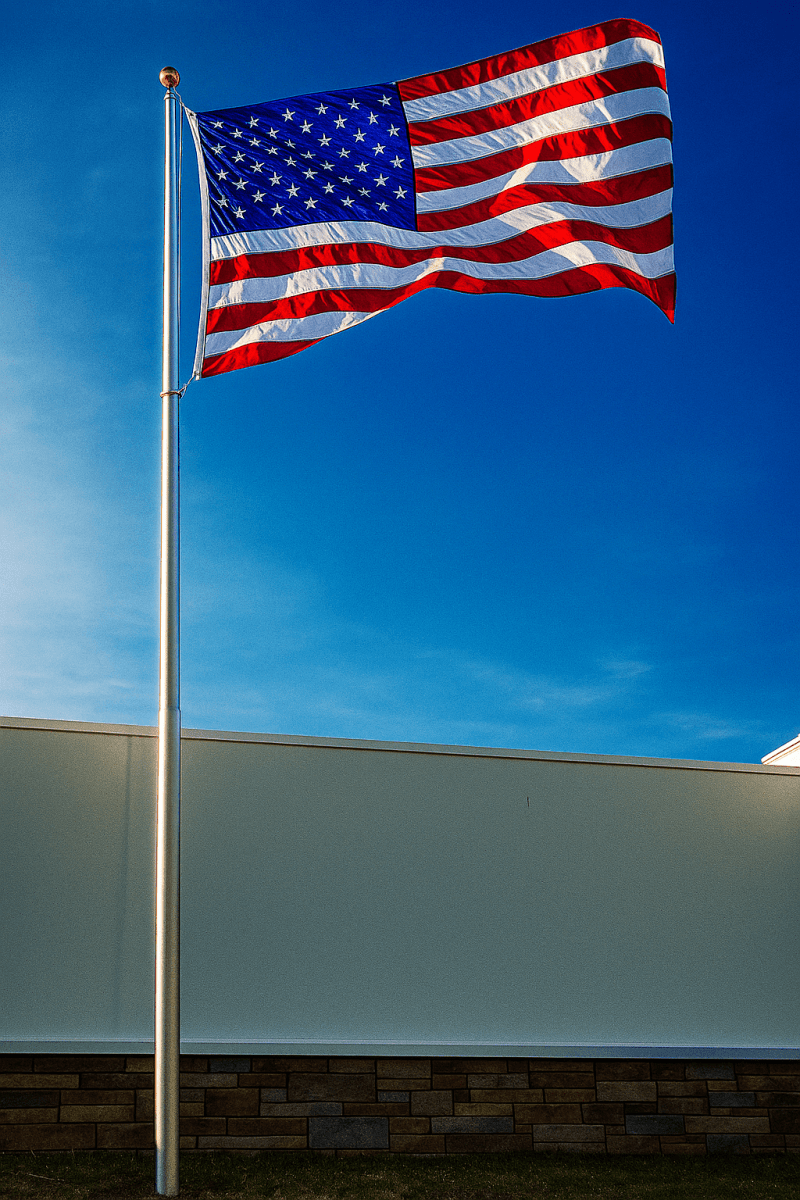
Aluminum flagpoles offer a clean, traditional look along with dependable durability. They resist rust and are lightweight, which makes installation more manageable for many homeowners. Their polished finish works well with a wide range of home styles.
Fiberglass flagpoles bring a different advantage. They’re non-conductive and tend to perform well in humid or coastal environments. Their flexibility can also help absorb movement in windy conditions, which may reduce stress over time.
Your property layout can help guide the decision. If your flagpole sits in a more sheltered space, aluminum often holds its shape and appearance well. If your yard is open and exposed, fiberglass may better handle consistent wind.
The finish also matters for long-term performance. Anodized aluminum helps protect against wear and keeps its appearance longer, while fiberglass typically features a smooth gel-coated surface that resists fading. Choosing the right finish helps your flagpole maintain its look through the seasons.

Evaluate How Flag Fabric Impacts Performance
The flag itself plays a major role in how your display performs. Even a strong pole won’t deliver the best results if the fabric doesn’t match your conditions.
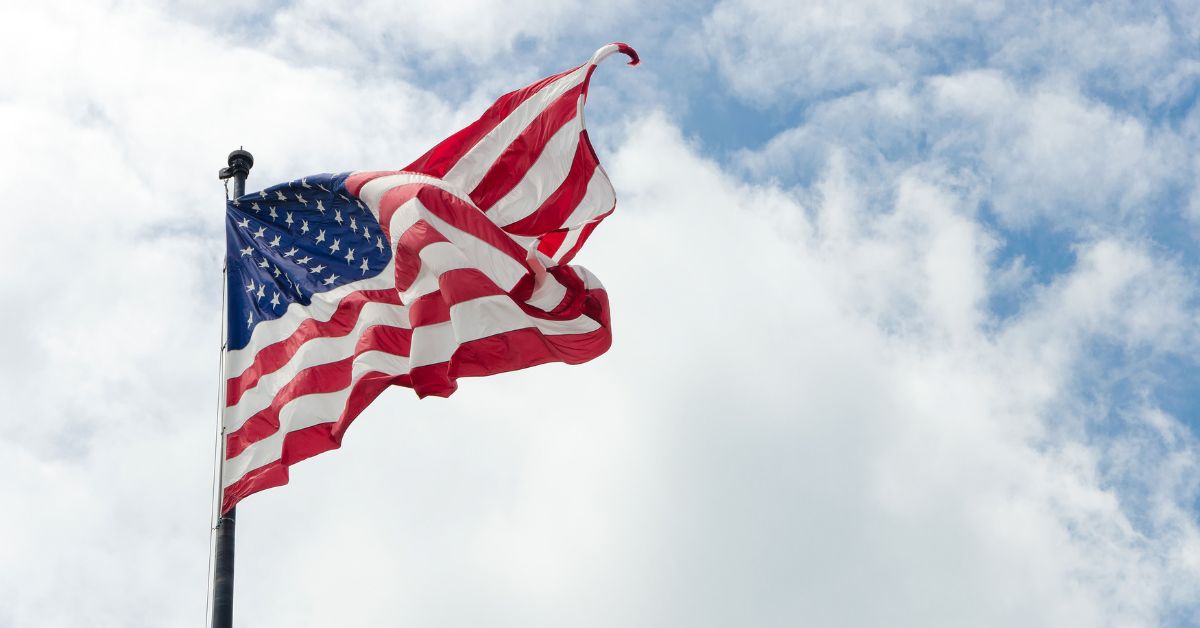
Wind is one of the biggest factors. Each gust pulls and snaps the fabric, and over time that, movement can lead to fraying. In open areas, this wear shows up faster, which makes fabric choice especially important.
Sun exposure also has an impact. Ultraviolet (UV) rays can gradually fade colors and weaken fibers. Choosing a material that holds up in sunlight helps keep your flag looking crisp and vibrant.
How often you fly your flag also makes a difference. If it’s up every day, durability becomes more important. If you bring it out for holidays or special occasions, its appearance may matter more than long-term wear.
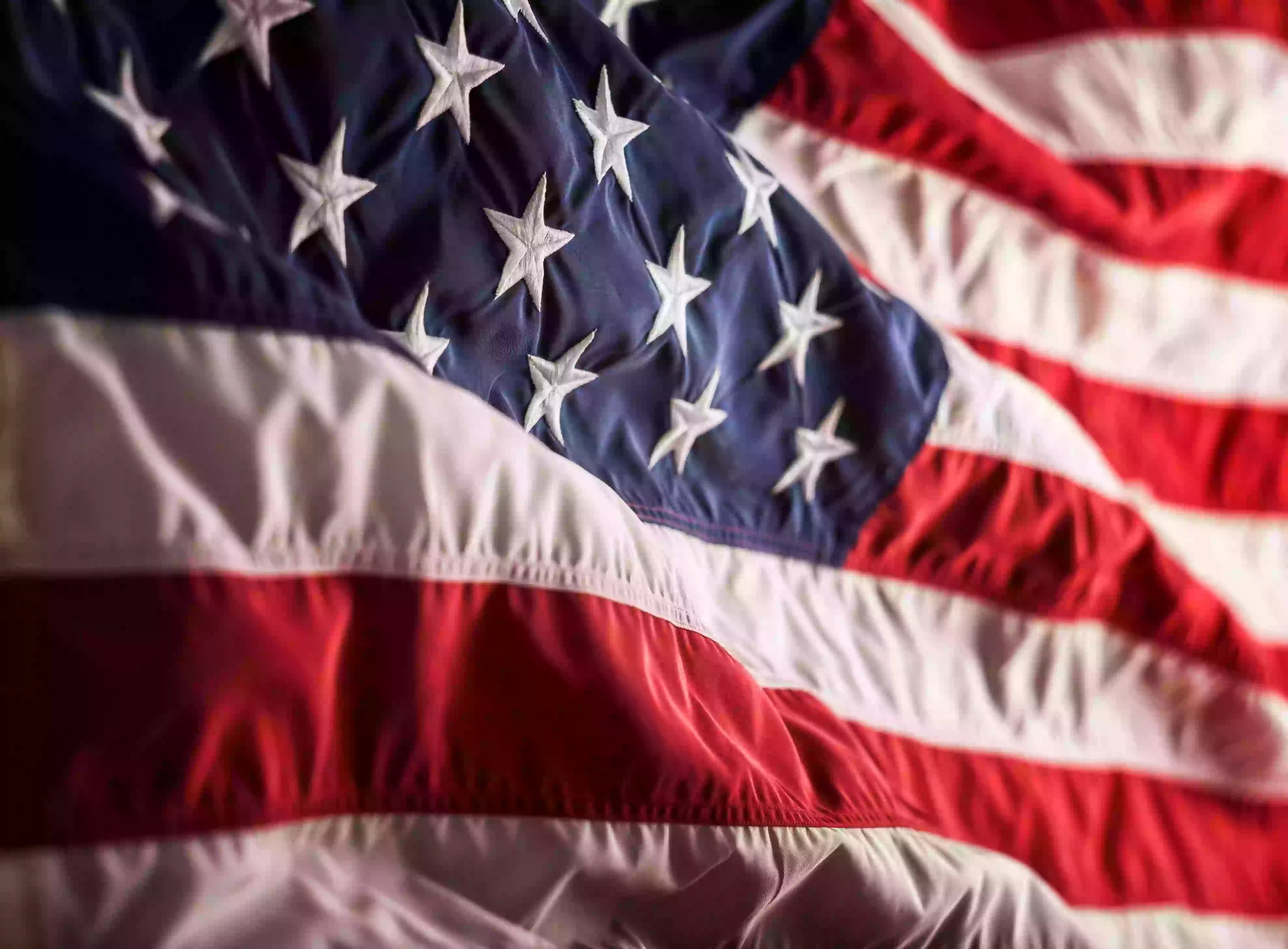
Common flag fabrics include nylon, polyester, and cotton. Nylon works well for everyday use in moderate weather. Polyester is heavier and better suited for stronger winds. Cotton offers a traditional look but is best for short-term or ceremonial display.
Consider the Role of Hardware and Halyards
It’s easy to overlook hardware, but it plays a big part in how your flag flies. These components keep everything moving smoothly and help prevent unnecessary wear.
A halyard, or the rope used to raise and lower the flag, is a key part of many systems. Most residential setups use external halyards because they’re easy to access and maintain. Internal systems are more enclosed but are less common for home use.
Clips and connectors also need to do their job without getting in the way. They should move freely and hold steady in changing conditions. When the hardware works as it should, your flag flies cleanly and stays properly positioned.
Match Materials to Your Local Climate
Your local environment should guide your material choices. What works well in one area may not perform the same in another, so it’s worth thinking about your specific conditions.
Wind, sun, and moisture all play a role. In open areas, steady wind puts more strain on both the flag and the pole. In quieter neighborhoods, sunlight may be the bigger factor over time.
Moisture can also affect performance, especially in humid or coastal regions. Rain and humidity add weight to flag fabrics and can impact how they move. Materials that dry quickly or resist corrosion tend to perform better in these conditions.
Take a close look at your property. A yard with trees may block wind but create shade, while an open front yard may expose your flag to constant movement. Keeping these details in mind helps you choose a residential flagpole kit that fits your space and how it behaves throughout the year.
Balance Performance With Ease of Use
Performance matters, but ease of use is just as important. A flagpole should be simple to operate so you can enjoy your display without extra effort.
Telescoping flagpoles are designed for convenience. They extend and collapse without ropes, which makes them easy to handle. Sectional flagpoles offer a more traditional setup and rely on a halyard system to raise and lower the flag.
Both styles can work well when built with quality materials. Smooth finishes and solid connections make a difference in daily use. When everything works as expected, your flagpole becomes part of your routine.

Build a Flag Display That Lasts
Creating a lasting flag display starts with choosing the right materials for each part. The pole, flag, and hardware all work together, and each decision affects long-term performance.
When you think about how material choice influences residential flag performance, it comes down to balance. You want durability, ease of use, and a clean look working together. The right setup helps your flag stand tall in all kinds of conditions.
At Liberty Flagpoles, we offer American-made options designed for real-world conditions. Our flagpoles are easy to assemble, built to last, and custom fit for your home or property. Whether you’re upgrading your setup or starting fresh, our team is here to help you find the right fit.
Ready to display your pride with confidence? Explore our selection of residential flagpole kits and join the community of proud owners who trust Liberty Flagpoles for dependable quality.
Celebrate America 250 With a Display That Stands Tall
As America’s 250th anniversary approaches on July 4, 2026, there’s never been a better time to take a fresh look at your flag display. This milestone is more than a date—it’s a chance to reflect on history, honor service, and show your pride in a meaningful way.
Explore Liberty Flagpoles’ America 250 collection and be part of this once-in-a-generation moment. With a durable, weather-resistant setup, you’ll be ready to display your pride as the country celebrates 250 years of freedom.
If you are nervous to set up your flagpole on your own, we also provide professional installation services to ensure your flagpole stands tall no matter the conditions.