When you take a closer look at how flags are used in the military, you start to see how much intention sits behind each tradition. From daily routines to formal ceremonies, these practices reflect a respect for service and the country. Whether you’re displaying a flag at home or at a business, understanding these customs adds weight to how you display your pride.
Understanding the Role of Flags in Military Tradition
Military flags do more than mark a location. They represent the values, history, and mission of the groups that carry them. When you see a flag on a base or at a ceremony, it reflects discipline and a strong sense of identity.
Historically, flags played a practical role on the battlefield. Before modern communication, they helped signal movements and identify positions. That function gave them real importance, tying them directly to coordination and morale.
Each branch has its own official flag, along with unit flags that feature unique markings. These designs help distinguish groups and build identity among service members. Over time, those symbols become closely tied to pride and tradition.
You’ll also notice that flags often act as a focal point during gatherings. Whether it’s a formation or a public event, the flag draws attention and sets the tone. That shared focus reinforces the meaning behind every display.
Recognizing How Flags Are Raised and Lowered
One of the most recognizable military traditions is the daily raising and lowering of the American flag. These moments follow a clear routine that emphasizes respect and attention.
In most settings, the flag is raised in the morning and lowered at the end of the day. Bugle calls like “Reveille” and “Retreat” often accompany these actions. When they sound, people nearby are expected to pause and acknowledge the moment.
A few key practices guide these routines:
- The flag is raised quickly and lowered with care.
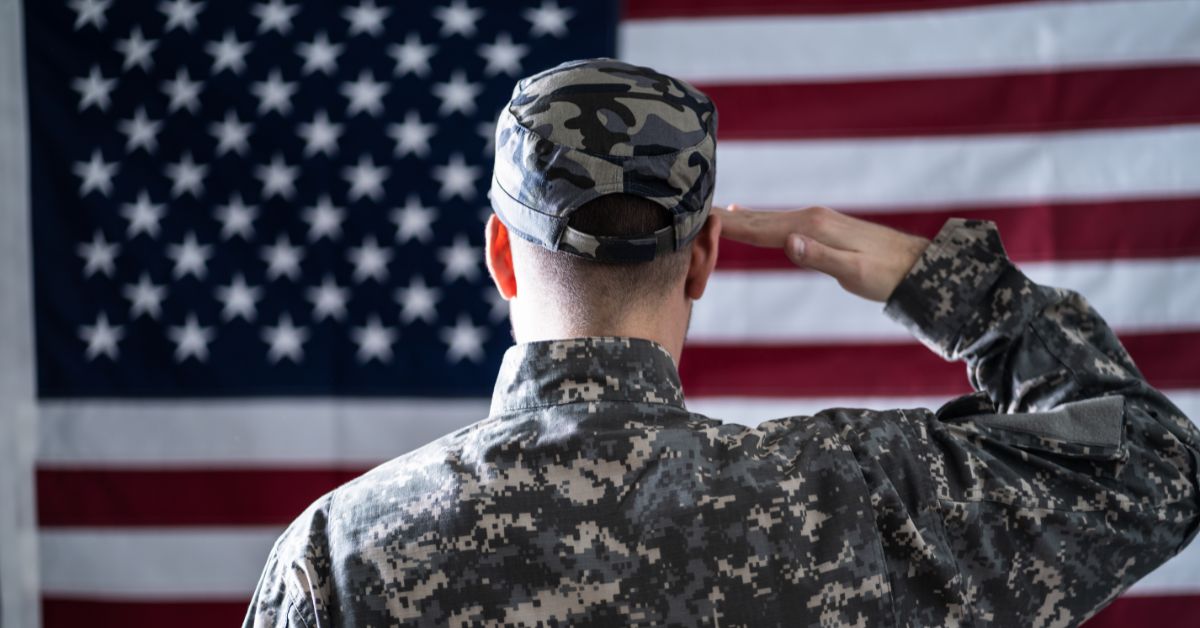
- Service members salute while in uniform.
- Civilians place a hand over their hearts.
- The flag is kept from touching the ground.
These steps are simple, but they carry meaning. Even outside military settings, following them shows an understanding of the tradition behind the display.

Following Proper Handling and Care Standards
Respect for the flag continues long after ceremonies end. In military settings, proper handling is expected at all times, whether the flag is being displayed or stored.
Flags are kept clean and in good condition. If one becomes worn or damaged, it is retired in a respectful way rather than thrown away. Retirement ceremonies are handled with care, reinforcing that the flag deserves dignity throughout its entire life.
At home, many of these same habits apply. Regular care and proper storage during rough weather all help extend the life of your flag. Choosing weather-resistant materials can also make a noticeable difference over time.
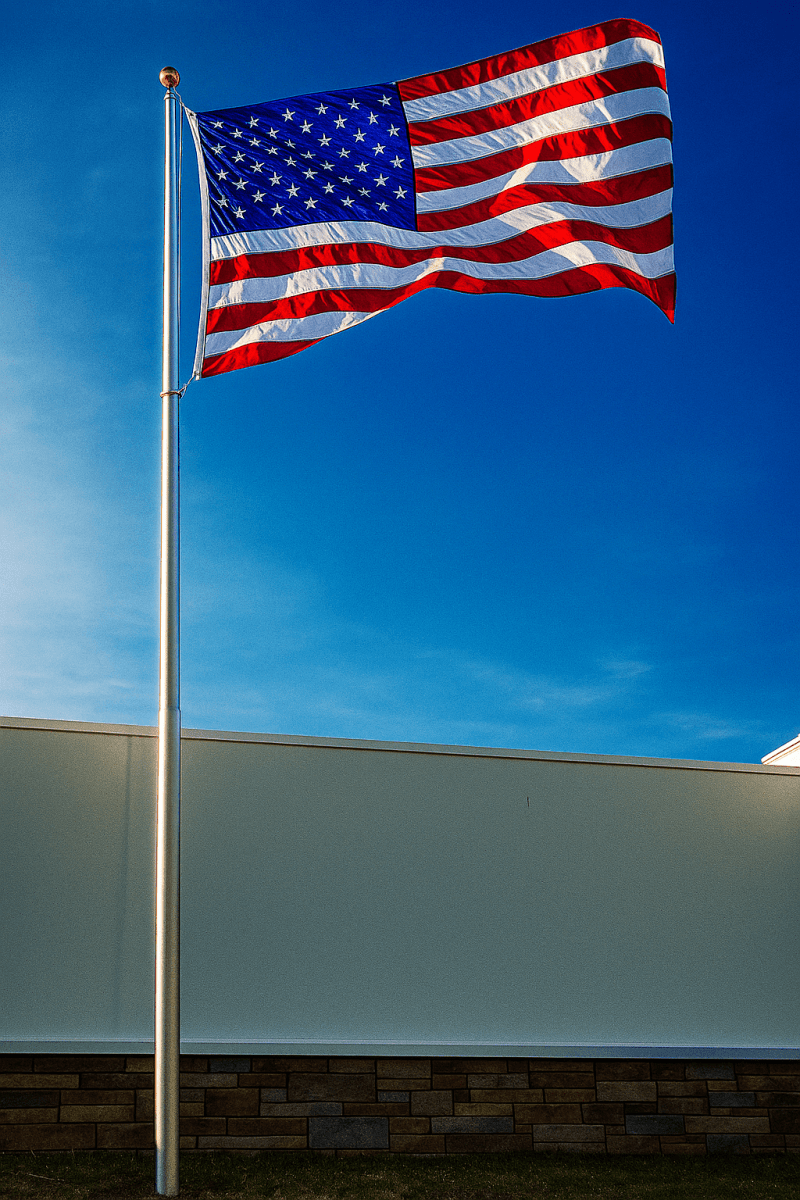
If you choose a wall-mounted flagpole, placement matters. Make sure it’s installed securely and positioned so the flag can move freely. A clean setup not only protects the flag but also keeps your display looking intentional.
Learning the Meaning Behind Military Flags
Military flags carry meaning beyond what you see at first glance. Each type of flag represents a different part of service, from entire branches to individual units.
Branch flags identify major divisions like the Army, Navy, Air Force, Marine Corps, and Coast Guard. These flags are often displayed together at events to represent the full scope of service. Seeing them side by side reinforces unity across all branches.
Unit flags, sometimes called guidons, represent smaller groups within those branches. They often include symbols or colors tied to a specific mission or history. These flags help build identity and strengthen connections among those who serve together.
Ceremonial flags are also used during special events. They add formality and help mark important occasions with the respect they deserve. Over time, these traditions help preserve the history and values behind each branch.
Respecting Flag Etiquette in Military Settings
Military flag etiquette follows clear, consistent standards. These practices influence how flags should be displayed in everyday settings as well.
When flying more than one flag, the American flag always takes the position of honor. It should be placed higher or in a more prominent position than other flags. This applies at homes, businesses, and public spaces.
Other important etiquette points include proper lighting and weather awareness. The flag should be illuminated if displayed at night. It should also be taken down during severe weather unless it’s made from weather-resistant materials.
Half-staff display is another key practice. The flag is first raised to the top before being lowered partway. That small detail ensures the gesture is carried out correctly during times of remembrance.

Connecting Military Traditions to Everyday Flag Displays
Military traditions often shape how people display flags at home and at work. These practices offer a simple way to create a respectful and lasting display.
Start with placement. A visible, open location allows your flag to stand out and move freely in the wind. Pair that with a reliable flagpole that fits your property, and your setup will feel balanced and complete.
Maintenance matters just as much. Regular checks and replacing worn flags all help keep your display looking its best. These habits reflect the same level of care seen in military settings.
When you understand the traditions behind the display, it adds meaning to every detail. Your flag becomes more than decoration; it becomes a symbol of pride and connection to something larger.
Carrying Forward the Meaning of Military Flag Traditions
Military flag traditions are built on respect and pride. When you understand these true meanings, your own display can start to feel more intentional. From how the flag is raised to how it’s cared for, each step connects back to a long-standing tradition.
As America approaches its 250th anniversary, many homeowners and businesses are preparing to mark the moment in a meaningful way. A well-placed flagpole and a properly displayed flag offer a simple way to take part, and Liberty Flagpoles can help you with that. Our America 250 collection has durable, American-made flagpoles that are easy to assemble and custom fit for your home or business. With the right equipment, you can create a display that reflects the same care seen in military settings. If you need guidance on selecting the right flagpole or getting it installed properly, our professional installation services team is here to help you create a display that reflects the same care and respect seen in military settings.