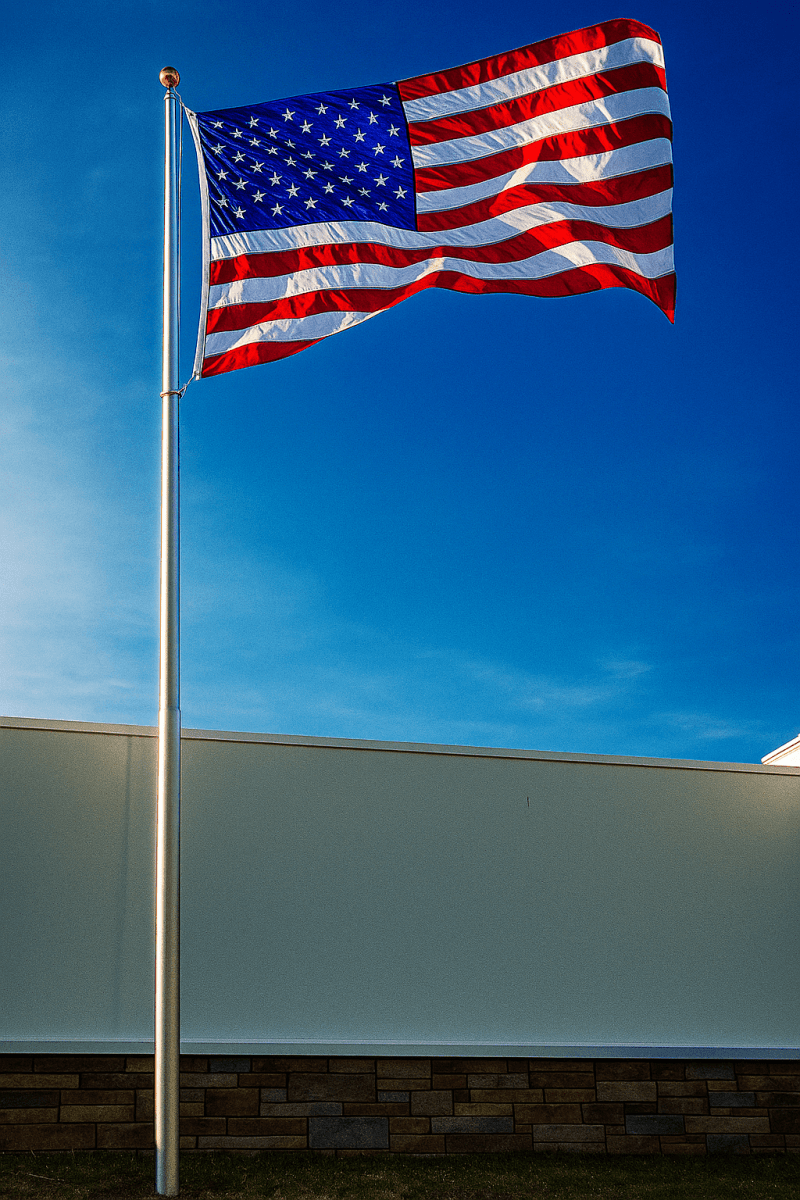
Telescoping flagpoles offer homeowners a convenient way to display the American flag without operating a traditional rope-and-pulley system. Their adjustable sections allow owners to raise or lower the pole while keeping flag changes relatively simple. Over time, manufacturers have refined these designs to improve stability, weather resistance, and everyday operation.
Modern telescoping flagpoles now incorporate features that address common concerns about maintenance, flag tangling, and installation. Knowing these improvements helps homeowners compare available models and choose features that suit their properties. Many of the most useful advances involve the components that owners handle regularly.
How Have Locking Mechanisms Improved?

Locking mechanisms hold telescoping sections in position after owners extend the pole. Manufacturers have developed different systems that make adjustments more convenient while maintaining a secure connection between sections. Two common approaches include twist-lock mechanisms and push-button locking systems.
Twist-Lock Systems
Twist-lock designs allow owners to secure each section by rotating it into place. This arrangement eliminates the need for an external rope system and gives homeowners control over the pole's extended height. Proper operation still requires owners to follow the manufacturer's instructions and check that each section locks securely.
Push-Button Locking Systems
Push-button systems use spring-loaded components that engage at designated positions along the pole. Owners can release the locking mechanism when they need to lower or adjust a section. The design offers a different operating experience from twist-lock models, making personal preference an important consideration during selection.
How Have Aluminum Materials Improved Durability?
Aluminum remains a popular material for telescoping flagpoles because it combines manageable weight with resistance to rust. Manufacturers can use different aluminum alloys and wall thicknesses to address the demands of residential flag displays. These specifications influence how a flagpole handles wind exposure and repeated operation.
Among the innovations that have improved modern telescoping flagpoles, advances in material selection have helped manufacturers refine the balance between strength and convenience. Homeowners should compare construction specifications rather than assume every aluminum model offers identical performance. A pole's height, diameter, and installation conditions also affect its suitability for a particular property.
How Have Protective Finishes Improved Weather Resistance?

Outdoor flagpoles encounter rain, sunlight, humidity, and changing temperatures throughout the year. Protective finishes help preserve the aluminum surface and maintain the pole's appearance during regular exposure. Manufacturers commonly offer anodized or powder-coated finishes, depending on the product.
Anodizing creates a protective oxide layer on aluminum, while powder coating adds a finished exterior surface. Each approach offers different appearance and maintenance characteristics. Homeowners should consider their regional climate and follow the manufacturer's cleaning recommendations to help maintain the finish.
How Have Rotating Hardware Systems Reduced Flag Tangling?
Traditional flag displays can experience wrapping when changing winds repeatedly carry the flag around its pole. Some telescoping models address this problem with rotating collars or rings that allow the flag attachments to move around the pole. These components help the flag respond more freely as wind direction changes.
Rotating hardware does not eliminate every possibility of tangling, particularly during unpredictable weather. However, it can reduce the need for owners to manually unwrap a flag during routine use. Homeowners should inspect attachment hardware periodically and replace components that show excessive wear.
How Have Telescoping Designs Simplified Flagpole Operation?
One practical advantage of telescoping construction involves the way homeowners raise and lower their flags. Instead of managing a halyard, owners adjust the pole's nested sections according to the manufacturer's operating instructions. This arrangement can make routine flag changes more convenient for households that display different flags throughout the year.
An extendable flagpole also gives homeowners flexibility when they need to lower their display for maintenance or changing conditions. Individual models differ in their adjustment methods and recommended operating limits. Buyers should review those details before selecting a flagpole for frequent use.
How Have Ground Sleeves Improved Installation Convenience?
Many telescoping flagpoles use ground sleeves that support the pole within a prepared foundation. The sleeve provides a designated opening for positioning the flagpole and can allow removal when the product design permits. This setup differs from installations that permanently secure the pole directly within concrete.
Proper installation still depends on soil conditions, foundation dimensions, and the manufacturer's specifications. A ground sleeve does not compensate for an undersized foundation or unsuitable placement. Homeowners should also check for underground utilities before digging and consider professional assistance when site conditions require it.
How Have Modern Accessories Expanded Display Options?
Accessories have expanded the ways homeowners can use telescoping flagpoles beyond the basic pole-and-flag arrangement. Lighting and attachment components can help owners maintain their displays and accommodate different preferences. Compatibility remains important because hardware designed for one model may not fit another.
Solar Flagpole Lighting
Solar lighting offers a potential option for homeowners who want to illuminate the American flag after dark. These systems collect energy during daylight hours and use stored power to operate their lights. Their effectiveness depends on sunlight exposure, battery capacity, weather, and the fixture's placement.
Improved Flag Attachment Options
Modern flag attachments include clips, rings, and other components intended for different pole configurations. Some arrangements accommodate more than one flag, provided the manufacturer supports that setup. Homeowners should verify attachment compatibility and follow the product's flag-size recommendations before making changes.
How Should Homeowners Compare Modern Telescoping Flagpoles?
The most valuable improvements in modern telescoping flagpoles depend on how each homeowner plans to use the display. A household that changes flags frequently may prioritize convenient locking mechanisms, while a property with substantial wind exposure calls for careful attention to construction specifications. Installation requirements and replacement hardware availability also deserve consideration. Before purchasing, homeowners should review several practical details:
- Locking mechanism: Choose an operating system that feels manageable for regular adjustments.
- Construction: Compare material specifications and the manufacturer's wind-related guidance.
- Finish: Select a surface treatment appropriate for local conditions.
- Attachments: Confirm compatibility with the intended flag size and display arrangement.
- Installation: Review foundation requirements and available installation options.
Comparing these features helps buyers understand differences that may not appear obvious from product photographs. Homeowners should also consider where the pole will stand and whether nearby trees or structures could interfere with the flag. A thoughtful selection can make regular operation and maintenance more manageable.
Find a Telescoping Flagpole That Fits Your Home
Modern telescoping flagpoles combine convenient operation with practical features that support residential flag displays. Liberty Flagpoles offers options for homeowners who want to compare construction, operating mechanisms, and accessories before purchasing. Choosing a suitable pole and preparing the installation site carefully can help the finished display serve its intended purpose.
For homeowners who prefer assistance with the setup, Liberty Flagpoles also offers professional flagpole installation services. Professional installation can help address foundation preparation, positioning, and other site-specific considerations. Explore the available options to determine which approach best suits your property.