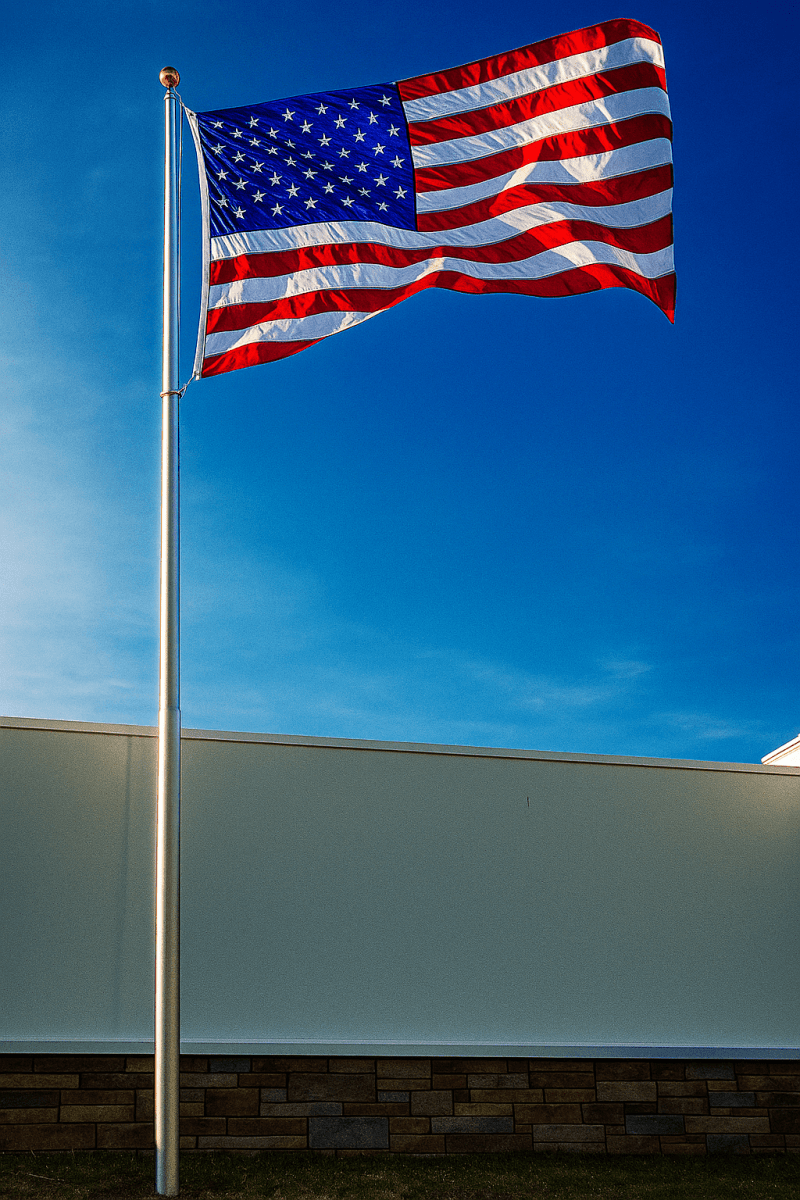
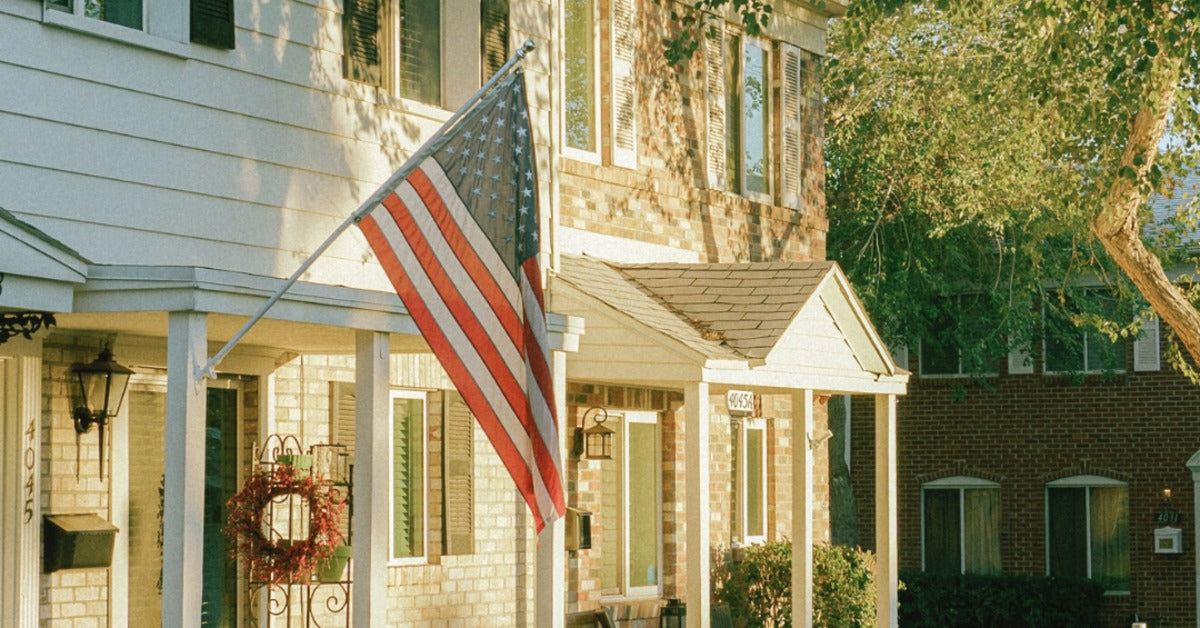
For many homeowners, flying a flag is a meaningful part of everyday life. The American flag may represent patriotic pride or a family connection to military service, while other flags show support for local schools and favorite sports teams. A residential flagpole provides a permanent place for these displays and allows families to change them as different occasions arise.
Beyond what they represent, residential flagpoles can also complement a home's exterior and become a familiar feature of the front yard. Homeowners have several options for pole height, design, and operation, depending on their property and how they plan to use the display. Understanding these choices can help families find a flagpole that suits their needs throughout the year.
Display the American Flag Throughout the Year

One of the most common everyday uses for residential flagpoles is displaying the American flag as a regular expression of patriotism. Rather than reserving their flags for national holidays, many homeowners make them a permanent part of their outdoor space. Families can raise the flag each morning or maintain a continuous display with appropriate nighttime lighting.
Traditional sectional flagpoles with rope systems and telescoping models with adjustable sections both accommodate regular flag displays. The right choice depends on how frequently homeowners plan to raise or lower the flag and which operating features they prefer. Regardless of the design, families should follow the U.S. Flag Code's guidance on nighttime illumination and displaying flags during unfavorable weather.
Celebrate Patriotic Holidays and Special Occasions
National holidays give families opportunities to make flag displays part of their celebrations. Memorial Day, Independence Day, and Veterans Day carry different meanings, but each provides a reason to recognize American history and military service. A residential flagpole allows families to participate in these observances without installing temporary decorations.
Parents can also involve children in raising the flag or discussing the meaning behind each holiday. These activities introduce practical responsibilities while encouraging an appreciation for American traditions. A familiar flag-raising routine can become part of how families observe important dates.
Memorial Day requires particular attention because flag etiquette calls for a specific display schedule. Homeowners should fly the American flag at half-staff until noon before raising it to full-staff for the rest of the day. An accessible raising mechanism helps families follow this tradition.
Honor Veterans and Military Family Members

Families with military connections often use residential flagpoles to recognize loved ones who serve or previously served in the armed forces. An American flag provides a consistent expression of appreciation, while a military branch flag can acknowledge a particular service connection. These displays bring meaningful traditions into the home.
Veterans may appreciate continuing a familiar flag-raising routine after leaving military service. Other families display flags during homecomings, retirement celebrations, or remembrance gatherings. Each occasion gives the household an opportunity to recognize a loved one's service.
When displaying multiple flags, homeowners should consider the appropriate arrangement and necessary hardware. The American flag generally occupies the position of honor, and specific etiquette rules govern accompanying flags. Planning the configuration helps maintain a respectful display.
Support Local Teams and Community Activities
Residential flagpoles give homeowners opportunities to show support for the organizations and activities that matter to their families. While many households primarily fly the American flag, others occasionally switch to flags representing local schools, sports teams, or community groups. These displays allow families to participate in local traditions from their own front yards.
Homeowners also use residential flagpoles in everyday life to celebrate school milestones and sporting events. Families might fly school colors during graduation season or display a favorite team's flag throughout football season. Community festivals and neighborhood celebrations provide additional reasons to update the display.
Homeowners should check their flagpole's specifications before switching to a different flag. Larger flags catch more wind and can place additional strain on the pole and its hardware. Following the manufacturer's recommended flag dimensions helps homeowners maintain a reliable display.
Complement the Front Yard
A residential flagpole can complement a home's exterior while giving the front yard a recognizable focal point. Homeowners often place poles near driveways or landscaped areas where visitors can see the display clearly. Thoughtful placement also helps the pole fit with the property's existing features.
Landscaping around the base offers another opportunity for personalization. Low-growing flowers, decorative stone, or mulch can define the space without obstructing the flagpole. Homeowners should preserve enough clearance to inspect the foundation and access the hardware.
Pole height influences how the display relates to the house and surrounding landscape. A 20-foot flagpole may suit many residential properties, but nearby trees and available yard space also matter. Considering these features helps homeowners choose proportions that complement their home.
Choose a Flagpole for Everyday Use
Choosing a residential flagpole involves more than finding a design that looks good in the yard. Homeowners should consider how often they plan to change flags, whether they want to fly a flag at night, and the weather conditions their property experiences. These details can help narrow down the available options and make daily operation more convenient. Before purchasing a flagpole, homeowners should review several features that affect its performance and ease of use.
- Pole height: Choose a height that complements the home and provides adequate clearance.
- Flag size: Match flag dimensions to the manufacturer's recommendations.
- Operating system: Compare telescoping mechanisms with traditional halyard systems.
- Wind resistance: Check the manufacturer's wind ratings against local weather conditions.
- Lighting: Consider solar or wired lighting for nighttime displays.
Homeowners with exposed yards may consider a heavy duty flagpole for house use, especially in areas that experience frequent strong winds. However, a pole's height or thickness alone doesn't determine its durability. Reviewing manufacturer wind ratings and planning for a suitable foundation and proper installation can help homeowners choose a flagpole that performs reliably over time.
Maintain the Flagpole and Flag
Regular maintenance helps homeowners keep their flag displays operating smoothly. Inspecting clips, ropes, and other hardware can reveal wear before it interferes with raising or lowering the flag. Families should also check the fabric for fading, loose stitching, or frayed edges.
Cleaning requirements depend on the pole's material and finish, so homeowners should follow the manufacturer's care instructions. Gentle cleaning can remove accumulated dirt without damaging protective surfaces. A visual inspection after severe weather can also reveal loose components that need attention.
Find the Right Residential Flagpole at Liberty Flagpoles
A residential flagpole gives families a practical way to celebrate their interests and maintain meaningful traditions. Liberty Flagpoles offers American-made flagpoles that accommodate different properties and display preferences. Explore our residential options or contact our team for help choosing a suitable configuration.
Proper installation helps homeowners establish a secure foundation for years of regular use. Our professional flagpole installation services can help with placement and setup, making professional assistance worth considering when planning a permanent display. Starting with a properly installed flagpole allows homeowners to focus on enjoying their flags rather than addressing avoidable installation problems.