If you’ve ever heard someone say “flagstaff” and wondered whether they meant “flagpole,” you’re not alone. The terms are often used like twins, but they are not exactly the same. Understanding the difference between flagpoles and flagstaffs helps you choose the right product to fly your flag on your property. Whether you’re planning a proud front-yard setup or a polished business display, the goal is simple: fly your flag with confidence.
How the Terms Differ in Everyday Use
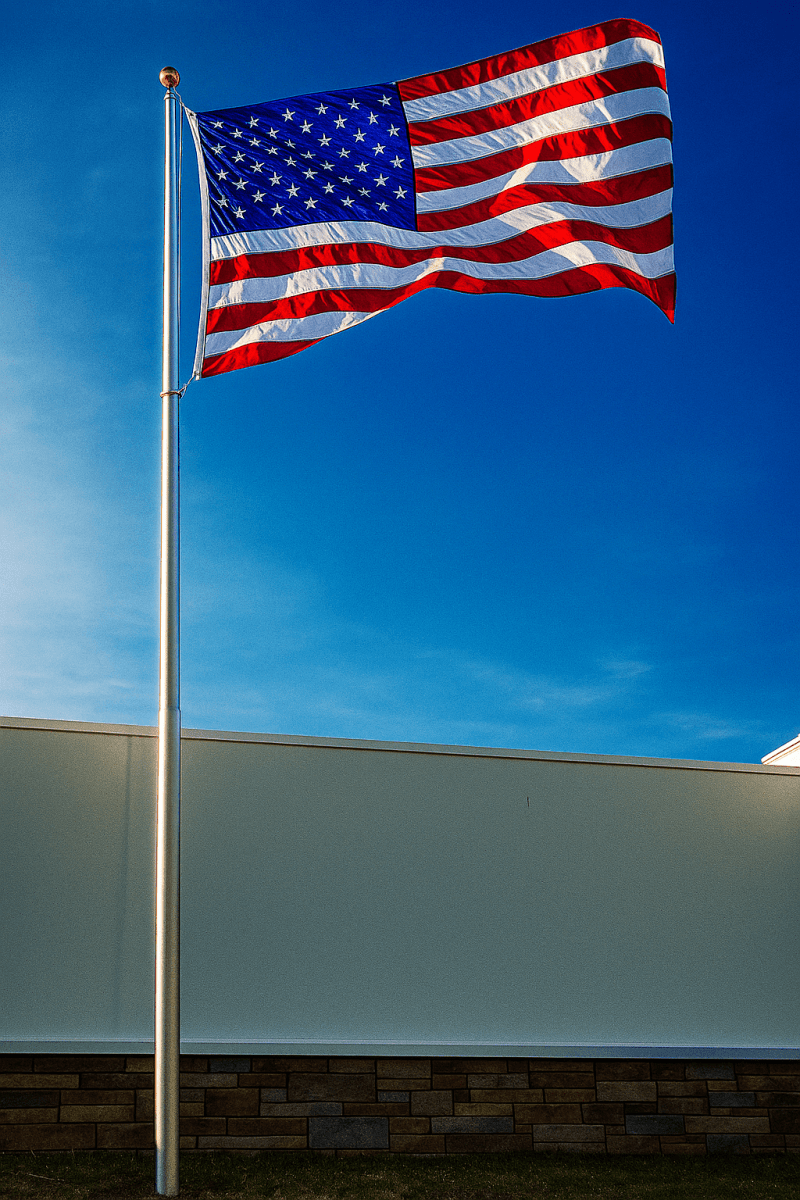
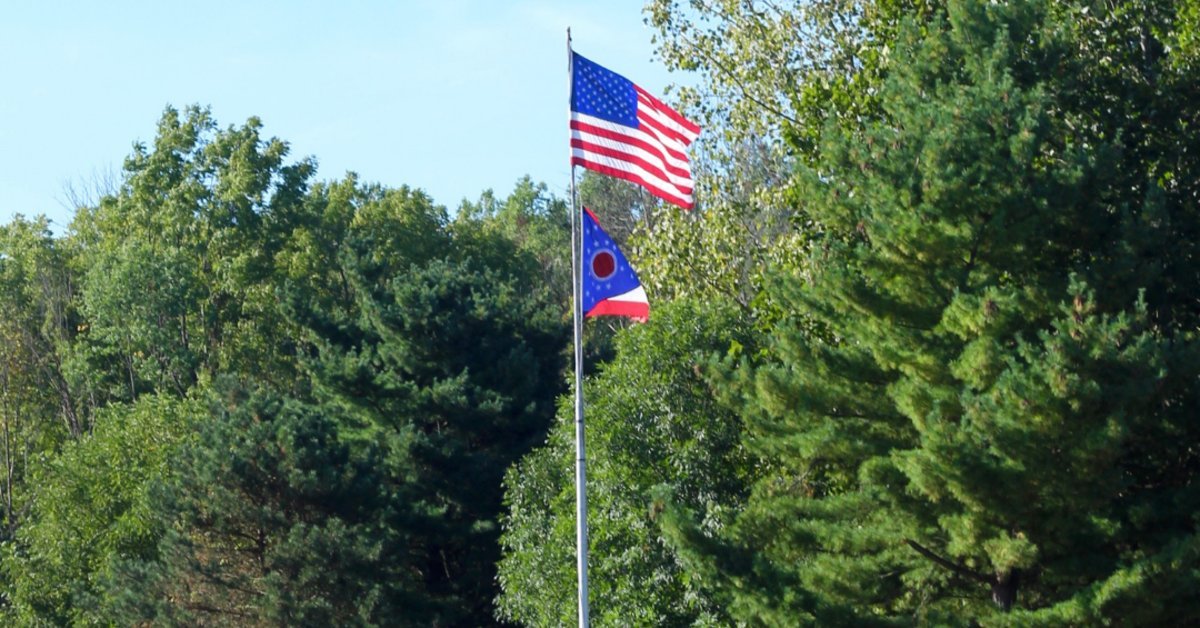
A flagpole is the term most people use today for the structure that supports and displays a flag. It usually refers to a freestanding pole installed in the ground, mounted to a building, or designed as part of a portable outdoor system. When homeowners and business owners shop for a long-term display, “flagpole” is the word they’ll see most often.
A flagstaff is an older, more traditional word. It can refer to a staff, pole, or rod used to display or carry a flag. You may hear it in ceremonial settings, historical writing, military references, or formal descriptions of flag displays.
That small wording difference matters when you’re shopping or planning an installation. “Flagpole” usually points to the modern product itself, while “flagstaff” can sound more ceremonial or historical.

How the Displays Differ by Purpose
The biggest difference comes down to how the flag is displayed. A flagpole is usually fixed in place and meant for regular outdoor use. You’ll see flagpoles in front yards, outside commercial buildings, near sports facilities, and beside community spaces.
A flagstaff is often associated with portable or ceremonial use. It may be carried by a color guard, used during a parade, or placed indoors for a meeting or ceremony. It serves the same respectful purpose, but it is usually built for a different kind of moment.
Think of a flagpole as the daily display workhorse. It stands ready through changing seasons and repeated raising or lowering. A flagstaff, by contrast, often steps into the spotlight for events.
That purpose affects the product you choose. A permanent outdoor flagpole needs the right height, hardware, and placement. A ceremonial flagstaff needs the right balance and appearance for easy handling.
How the Structures Differ in Design
Flagpoles are designed around height, visibility, strength, and long-term outdoor performance. Residential models are often sized to look balanced with a home. Commercial options are built for larger flags and higher visibility.
A commercial-grade flagpole can also include features that make sense for public-facing properties. These may include a stronger profile and heavier-duty hardware. Some also offer an internal halyard, which keeps the raising system inside the pole for a cleaner look.
A flagstaff is usually simpler. Many flagstaffs are made for carrying or indoor displays, so they do not need the same foundation planning or outdoor hardware. That does not make them less meaningful. They are simply built for a different role.
A few parts are worth knowing before you shop:
- Halyard: the rope or cable used to raise and lower the flag
- Finial: the decorative topper, such as a ball or eagle
- Cleat: the small fitting used to secure the halyard
- Snap Hooks: the clips that attach the flag to the halyard
These terms come up often with flagpoles. With flagstaffs, you may see more focus on the topper, staff material, and indoor base.
How the Right Choice Fits Your Property
For a home, a flagpole is usually the better fit if you want a regular outdoor display. It gives your flag a dedicated place to fly and creates a strong focal point for your property. A well-chosen pole can feel custom-fit for your home without overpowering the yard.
Placement matters just as much as the pole itself. Your flag needs open space to move freely. Avoid spots where the flag could catch on trees, gutters, wires, or nearby structures.
Homeowners often prefer flagpoles that are easy to assemble and simple to maintain. Telescoping or sectional styles can make setup more approachable while giving your property a steady place to display your pride.
For a business, the flag display often needs to look polished from the parking lot or entrance. Commercial properties should also think about durability and security. Local rules and foundation needs deserve attention before installation.
A flagstaff fits better in a lobby or meeting room. For daily outdoor use, though, a true flagpole is usually the stronger choice. It gives you the presence and weather-resistant setup most long-term displays need.
How the Right Wording Helps You Shop
Search terms can change what you find. If you type “flagstaff,” you may see ceremonial staffs, indoor display sets, or historical references. If you type “flagpole,” you are more likely to find outdoor systems for homes and businesses.
This matters when you compare options. A flagstaff may look attractive online, but it may not include the structure needed for constant outdoor use. A flagpole may be more than you need for a short ceremony.
Before buying, decide how the flag will be used. That one choice will help narrow the search quickly and make product questions easier.
Ask yourself:
- Will the display stay outdoors year-round?
- Will the flag be raised and lowered regularly?
- Will the pole need lighting for nighttime display?
- Will the installation require a sleeve or foundation?
Once you answer those questions, the wording becomes clearer. You are choosing the display style that fits your property and purpose.

How Your Display Comes Together
When talking about flagpoles and flagstaffs, they may sound like they’re only slightly different at first. In practice, the difference shapes what you buy, how you install it, and how your flag looks day after day. A flagpole is usually the right answer for a lasting outdoor display, while a flagstaff often fits ceremonies and indoor settings.
A flagpole usually involves more planning after purchase. Depending on the style, you may need to think about a ground sleeve, mounting bracket, proper clearance, or professional installation. These details help the pole stand straight and support your flag display over time.
A flagstaff is often easier to prepare because it may only need a base, storage space, or a carrying plan. That makes it convenient for events. It also makes it less suited for the demands of permanent outdoor display.
Celebrate America 250 With a Display That Stands Tall
Ready to display your pride with confidence? As America’s 250th anniversary approaches on July 4, 2026, there’s never been a better time to take a fresh look at your flag display. This milestone is more than a date; it’s a chance to reflect on history, honor service, and show your pride in a meaningful way.
Liberty Flagpoles offers American-made flags and flagpoles for homes, businesses, ceremonies, and long-term property displays. Whether you’re upgrading your setup or starting fresh, our team is here to help you find the right fit. Explore our America 250 collection and be part of this once-in-a-generation moment.
If you’d like expert assistance, visit our installation services page to explore professional installation options and get your flag flying the right way from day one.