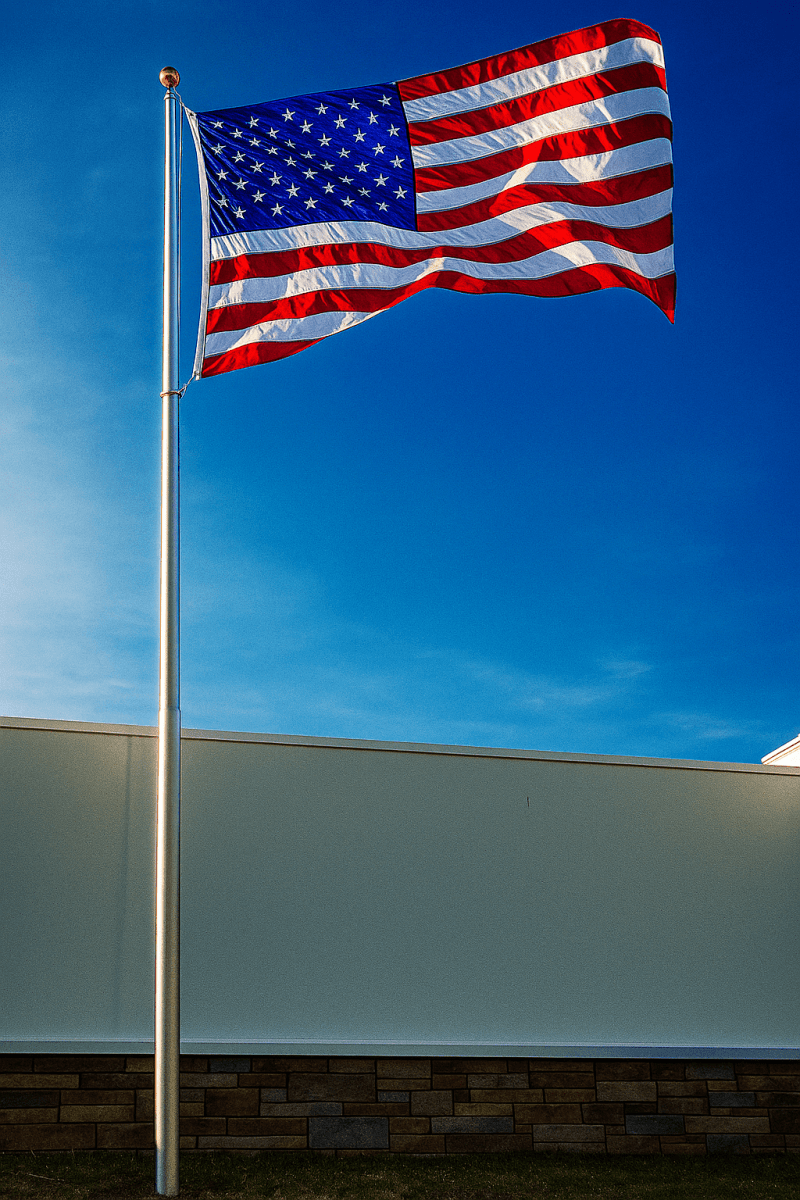
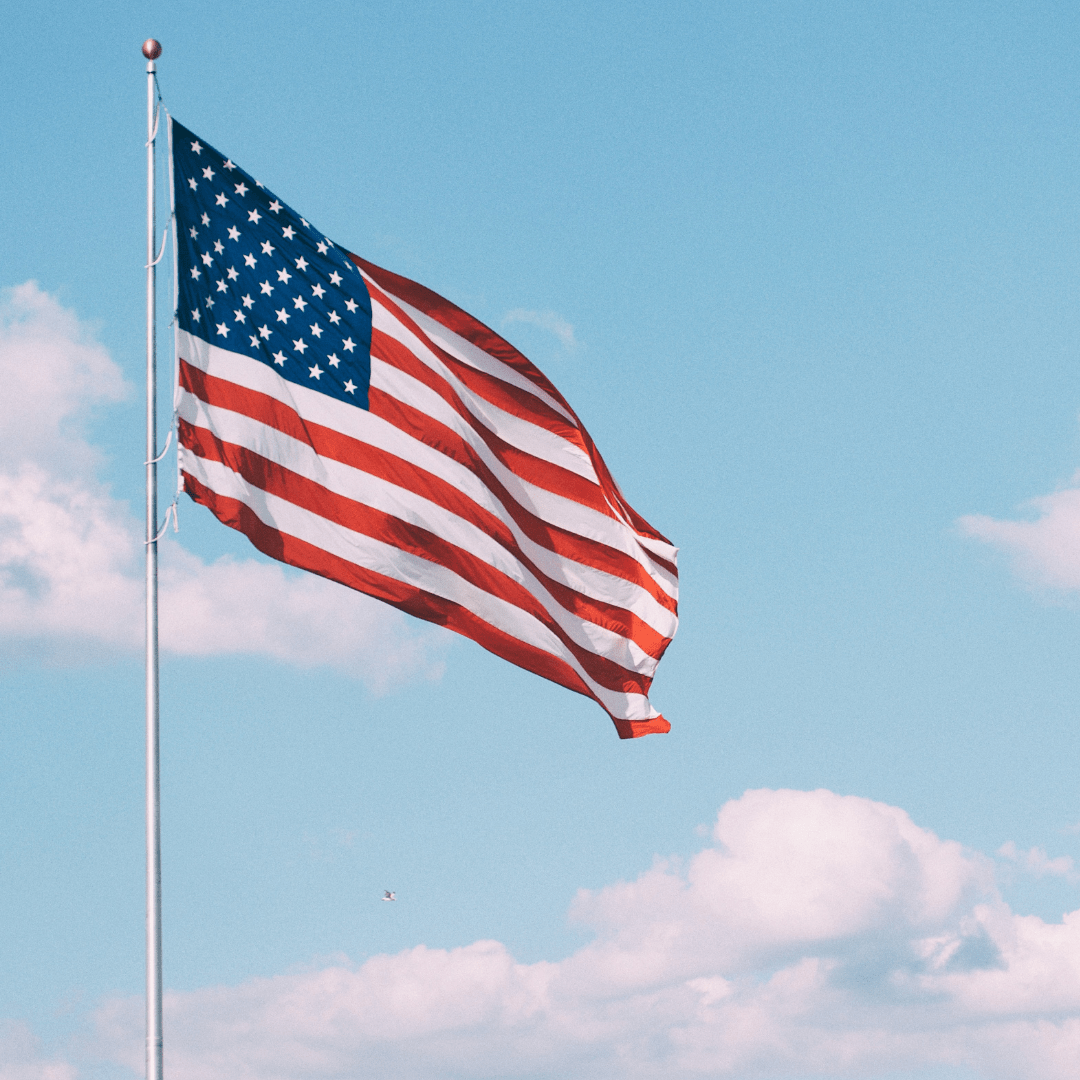
The American flag has never been just fabric and thread. It has marked new beginnings, honored sacrifice, and brought communities together through generations of change. From 1776 to 2026, the American flag has evolved alongside the country itself, shifting in design while keeping its deeper meaning intact.
As America approaches its 250th anniversary, property owners and community leaders are taking a fresh look at how they display their pride. Knowing the flag’s story makes every raised flag feel a little more meaningful.
How the Flag Began as a New Symbol
Before the Stars and Stripes became the official flag, early American troops, ships, and communities used several different banners. Some showed regional symbols. Others carried messages of independence or unity during the Revolutionary period.
In 1777, the Continental Congress established the basic design that still defines the American flag today. It called for 13 stripes, alternating red and white, and 13 white stars on a blue field. The exact arrangement of those stars was not specified, which is why early versions appeared in several patterns.
That flexibility gave the young nation room to form its identity. The circle of stars often associated with early flag designs remains one of the most recognizable historic styles, even though it was not the only arrangement used.
The original 13 stripes represented the 13 colonies. That detail still connects today’s flag to the country’s founding era. It is a simple reminder that the flag grew from a shared beginning.
How the Flag Grew With the Nation
As new states joined the Union, the flag needed to change. At first, both stars and stripes were added. That led to the 15-star, 15-stripe flag, the version that flew during the War of 1812 and inspired “The Star-Spangled Banner.”
Eventually, adding a stripe for every state became impractical. A flag with 20 or 30 stripes would have looked crowded fast. In 1818, Congress returned the flag to 13 stripes and set the practice of adding one star for each new state.
That decision gave the flag a lasting structure. The stripes would honor the founding colonies, while the stars would reflect the country’s growth. It was a smart balance between history and progress.
The flag changed many times as the United States expanded. Each new star marked another state and another group of Americans represented under the same national symbol.
A few design elements stayed especially meaningful:
- The 13 stripes continued to honor the original colonies.
- The stars grew to represent each state in the Union.
- The blue field remained the place where those stars belonged.
- The flag’s colors carried patriotic meaning across generations.
These changes helped the flag stay familiar without becoming frozen in time. It could grow with the nation while still feeling rooted in 1776.
How the Flag Became the Familiar 50-Star Design
The flag most Americans know today became official after Hawaii joined the Union. The 50-star flag was first flown in 1960, and it has remained unchanged ever since. For families and businesses, this is the flag tied to everyday displays and national holidays.
Its design feels settled because it has been part of American life for more than 6 decades. It flies outside private homes and public spaces of all kinds. Wherever it stands, it brings a sense of recognition.
That familiar look does not make the flag ordinary. If anything, it makes the display more powerful. When you raise the flag on a quiet morning or illuminate it after sunset, you take part in a tradition shared across generations.
From 1776 to 2026, the American flag’s evolution shows how a symbol can change in form while keeping its purpose. The stars have increased. The arrangement has shifted. The pride behind the display has remained steady.

How the Flag Display Changed at Homes and Businesses
The way Americans display the flag has evolved, too. Early flags were often carried into battle, flown from ships, or raised at public gathering places. Today, the flag is just as likely to stand in a front yard or outside a company entrance.
Modern flag displays give people more ways to match their property and purpose. A homeowner may want a flagpole that is easy to assemble and custom-fit for their home. A business owner may need a taller, more durable option with a more professional presence.
Materials have changed along the way as well. Many modern flagpoles are built for long-term outdoor use, with weather-resistant designs that help support year-round display. If someone is shopping for fiberglass flagpoles for sale, they are usually looking for a strong, polished option that fits a lasting flag display.
Accessories have also become part of proper display. A halyard is the rope or cable used to raise and lower the flag. A finial is the decorative topper placed at the peak of the pole. Solar lighting and flag clips can also help the display look clean and respectful.
How the Flag Connects 1776 to 2026
America’s 250th anniversary on July 4, 2026, gives the flag’s story even more weight. This milestone is not only about looking back. It is also a chance for families and businesses to think about how they want to display their pride going forward.
The flag has been present through ceremonies, public events, and quiet personal moments. It can stand outside a veteran’s home, frame a business entrance, or become the centerpiece of a community gathering. Its strength comes from the way people continue to honor it.
For many property owners, America 250 is the right time to refresh an old flag, upgrade a worn flagpole, or plan a new installation. A clean, reliable display feels especially fitting for a once-in-a-generation anniversary.
If you are preparing your property for 2026, think through the basics before you buy:
- Choose a flag size that fits your pole height.
- Pick a flagpole style that matches your property.
- Plan lighting if the flag will fly after sunset.
- Check local rules before installing an in-ground pole.
These simple steps make the finished display look intentional. They also help protect your investment so your flag can fly with dignity through the anniversary year and beyond.
How To Honor the Flag’s Next Chapter
The American flag has changed many times, but its role remains clear. It brings people together around pride, service, remembrance, and community. As 2026 approaches, displaying the flag well is a meaningful way to honor where the country has been and where it is headed.
Liberty Flagpoles can help you choose an American-made flag, a durable flagpole, and the right accessories for your home or business. Whether you are replacing a worn display or planning something new for your property, the right setup helps your flag stand tall with purpose.
Need help with the installation side of the process? Liberty Flagpoles makes setup easier with professional flagpole installation resources and guidance for a strong, secure display.

How To Celebrate America’s 250th Anniversary
America’s 250th anniversary on July 4, 2026, is a rare chance to honor the nation’s history with a flag display that feels ready for the moment. A fresh flag, reliable flagpole, and well-planned lighting can make your home or business part of a broader community celebration.
Join the community of proud owners preparing for America 250 with a display built around pride, respect, and American-made quality. Shop Liberty Flagpoles for durable flags, weather-resistant flagpoles, and accessories that help you display your pride for this milestone and the years that follow.