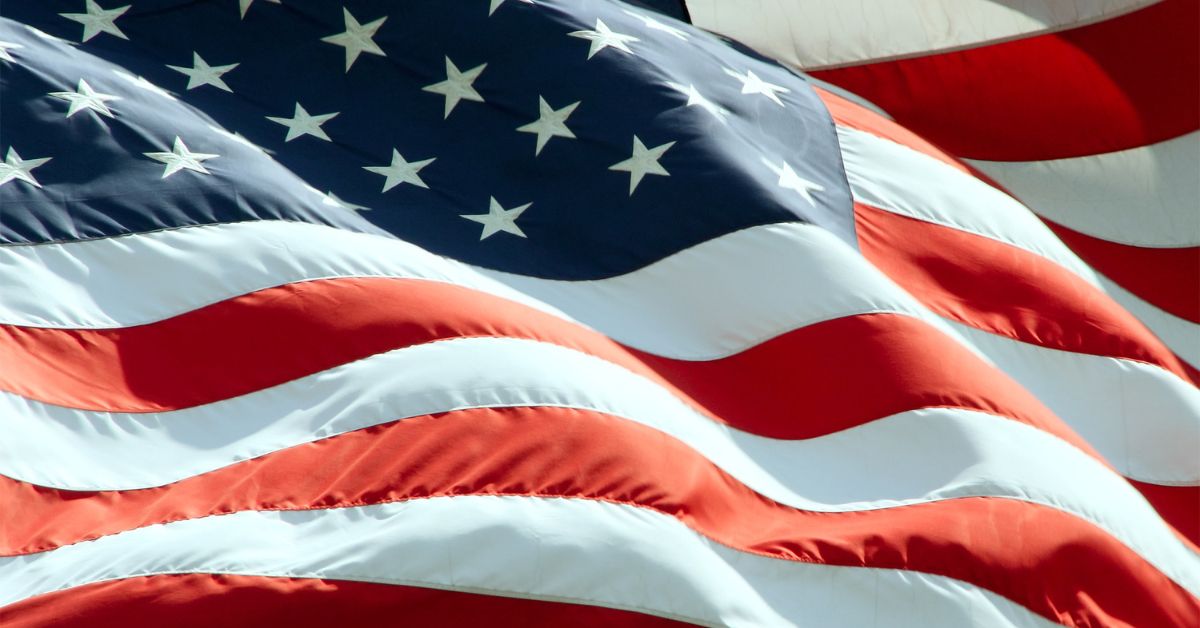
Flying a flag is one of the most meaningful ways to display your pride at home or at your business. It represents tradition, respect, and community, yet it also faces constant exposure to wind, sun, and rain. Over time, those conditions can wear down even strong materials if the construction isn’t built to handle them.
Understanding the role of stitching patterns in flag durability helps you choose a flag designed to last. Fabric plays an important part, but the stitching that holds everything together allows the flag to withstand constant motion. When you know what to look for, you can invest in a display that continues flying proudly season after season.
How Stitching Supports Long-Term Flag Performance
A flag spends most of its life in motion. Even a light breeze causes the fabric to ripple, twist, and stretch as it flies. Those repeated movements create stress along the seams where panels of fabric meet.
Strong stitching helps distribute that stress so the flag can flex with the wind instead of tearing apart. When seams are reinforced properly, the fabric moves naturally without weakening the overall structure. Poor stitching, by contrast, often leads to early fraying or split seams.
Thread quality also plays a role in how well a flag performs outdoors. Durable thread is designed to tolerate sunlight, moisture, and friction from constant movement. Together, strong threading and thoughtful seam placement help create a flag that continues to perform well over time.
Why Reinforced Seams Help Flags Last Longer
Reinforced seams are one of the most important construction details in a durable flag. These seams provide additional strength in the areas where fabric panels are joined together.
When the wind catches a flag, tension spreads across the surface. Reinforced seams help distribute that tension evenly, so no single area carries too much strain. Without reinforcement, seams can weaken quickly and begin to separate.
Manufacturers often add extra stitching to sections that experience the most stress. This additional reinforcement helps prevent tearing and keeps the flag’s shape intact even with frequent use.
Over time, these structural improvements help the flag remain vibrant and intact despite daily exposure to outdoor conditions.
Where Stitching Reinforcement Matters Most
Not every part of a flag experiences the same level of stress. Certain sections naturally endure more movement and pressure than others. Because of that, reinforced stitching is typically concentrated in key areas.
Common reinforcement areas include:
- The fly end, which is the outer edge of the flag
- Seams connecting the stripes or panels
- The header section that attaches to the flagpole
- Corners where clips or snaps connect to hardware
These areas experience repeated tension whenever the flag moves in the wind. Extra stitching helps reduce wear and prevent damage.

How Multiple Rows of Stitching Increase Strength
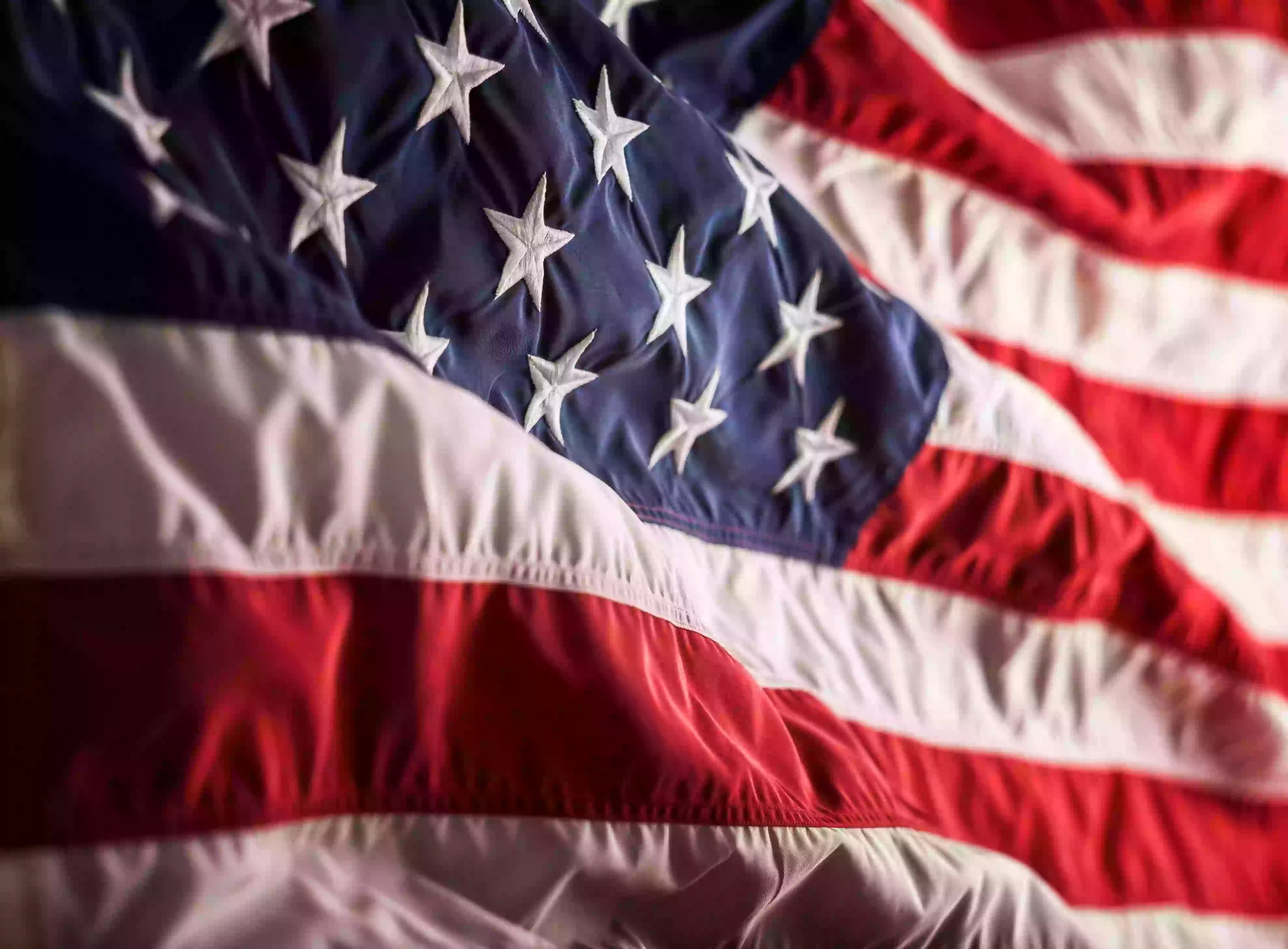
Another construction feature that improves durability is multiple rows of stitching. Instead of relying on a single seam, several parallel stitch lines reinforce the same section of fabric.
This design adds strength because stress is shared across multiple threads. If one stitch begins to weaken, the remaining rows help maintain the structure of the seam. The result is a stronger, more resilient edge.
Triple stitching is commonly used along the fly end of outdoor flags. This outer edge experiences the most movement and wind pressure during everyday use.
These stitch lines may seem like a small detail, but they play an important role in preventing fraying and extending the life of the flag.
Why the Fly End Requires Extra Reinforcement
The fly end of a flag receives the most wind exposure. This outer edge snaps and flutters constantly as the flag waves in the breeze.
Because of this motion, the fly end is often the first place where wear begins to show. Fraying or small tears frequently appear along this edge if the construction is not reinforced.
High-quality flags typically include additional stitching along the fly end to help prevent early damage. Some designs also fold the fabric before stitching to create a thicker border.
These reinforcements allow the flag to handle repeated movement while maintaining a clean, dignified appearance.
How Fabric and Stitching Work Together
Fabric and stitching work together to create a durable flag. Even strong materials rely on proper seam construction to handle the stress caused by wind and movement.
For example, nylon flags are popular because they are lightweight and move easily in lighter breezes. That flexibility helps reduce strain on seams compared with heavier materials that resist movement.
Still, fabric strength alone cannot prevent wear. Reinforced stitching allows the fabric to stretch slightly while keeping panels securely joined.
When durable thread, strong seams, and weather-resistant materials work together, the result is a flag that performs reliably through changing seasons.
What To Look for When Evaluating Flag Stitching
If you want a flag that lasts, stitching quality is one of the easiest things to evaluate. A quick look at the seams can reveal whether a flag was built for long-term outdoor use.
Look for these stitching features when evaluating a flag:
- Reinforced fly end with multiple rows of stitching
- Even, consistent seams between fabric panels
- Secure stitching along the header where the flag attaches to the pole
- Reinforced corners that support flag clips or snaps
- Durable thread designed for outdoor exposure
These features help protect the flag against constant wind movement. They also help maintain the flag’s shape and appearance while it flies.
Choosing a well-constructed flag ensures your display remains strong, respectful, and visually striking.
How Proper Care Protects a Flag’s Stitching
Even strong stitching benefits from occasional care. Outdoor exposure naturally causes wear over time, especially during storms or strong winds.
A few simple habits can help extend the life of your flag and protect its seams:
- Lower the flag during severe weather.
- Inspect seams periodically for early signs of fraying.
- Replace worn clips or hardware that may pull on the fabric.
- Retire or replace flags once they show significant wear.
Regular checks help catch small problems early and prevent additional damage. Taking care of your flag also ensures it continues to represent your pride with dignity.

Why Quality Construction Helps Your Flag Fly Longer
When people think about flag durability, they often focus only on the fabric. In reality, stitching patterns play an equally important role in keeping a flag strong and reliable. Reinforced seams, multiple stitch lines, and thoughtful construction allow the flag to move with the wind while maintaining its structure.
Recognizing the role of stitching patterns in flag durability helps you make smarter choices when selecting a new flag. When strong stitching and weather-resistant materials work together, the result is a display that looks great and performs well over time.
If you’re ready to upgrade your display, Liberty Flagpoles offers American-made flags and flagpole systems designed for long-lasting performance. Whether you’re outfitting a home or a business, our team can help you find the right setup so you can display your pride with confidence. We also provide flagpole installation services to ensure that your flagpole stands strong for years to come.
Prepare Your Display for America's 250th Anniversary
America’s 250th anniversary is approaching on July 4, 2026—a historic moment for communities across the country. Preparing your property with a high-quality flag and reliable flagpole is one way to honor the occasion and join the community of proud Americans celebrating this milestone.