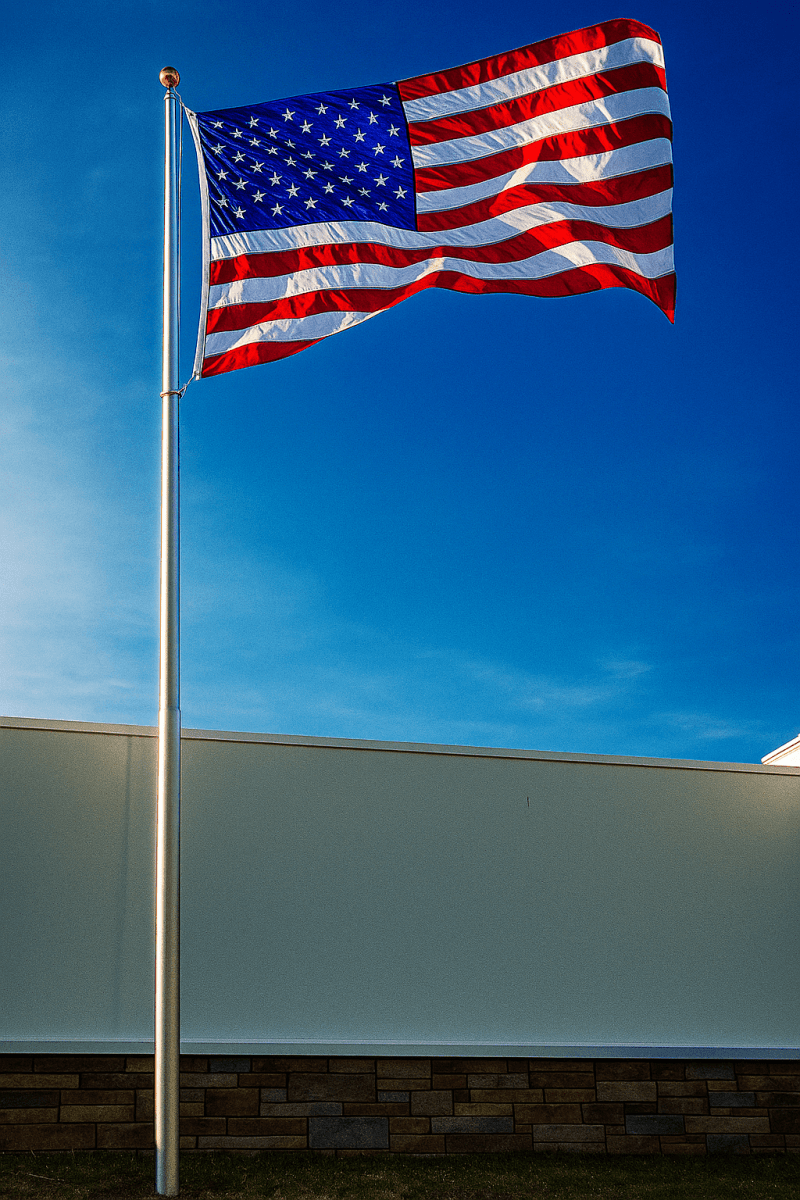
Fiberglass flagpoles offer homeowners and businesses a durable way to display their flags throughout the year. Their corrosion-resistant construction makes them appealing in regions that experience harsh winters. Yet, freezing temperatures and winter storms introduce challenges that deserve attention.
How Cold Temperatures Affect Fiberglass
Fiberglass combines reinforcing glass fibers with resin to create a strong, lightweight material. Unlike steel, fiberglass does not rust when moisture reaches its surface. However, extremely low temperatures can influence how composite materials respond to stress. The resin's formulation and the pole's construction determine how well the material performs under different environmental conditions.
Manufacturers design outdoor flagpoles to withstand specific operating conditions. That being said, fiberglass products vary in strength, flexibility, and resistance to environmental stress. Property owners should review manufacturer specifications before choosing a flagpole for particularly cold climates. Selecting a model that suits local conditions helps support long-term performance.
How Snow and Ice Affect Structural Performance
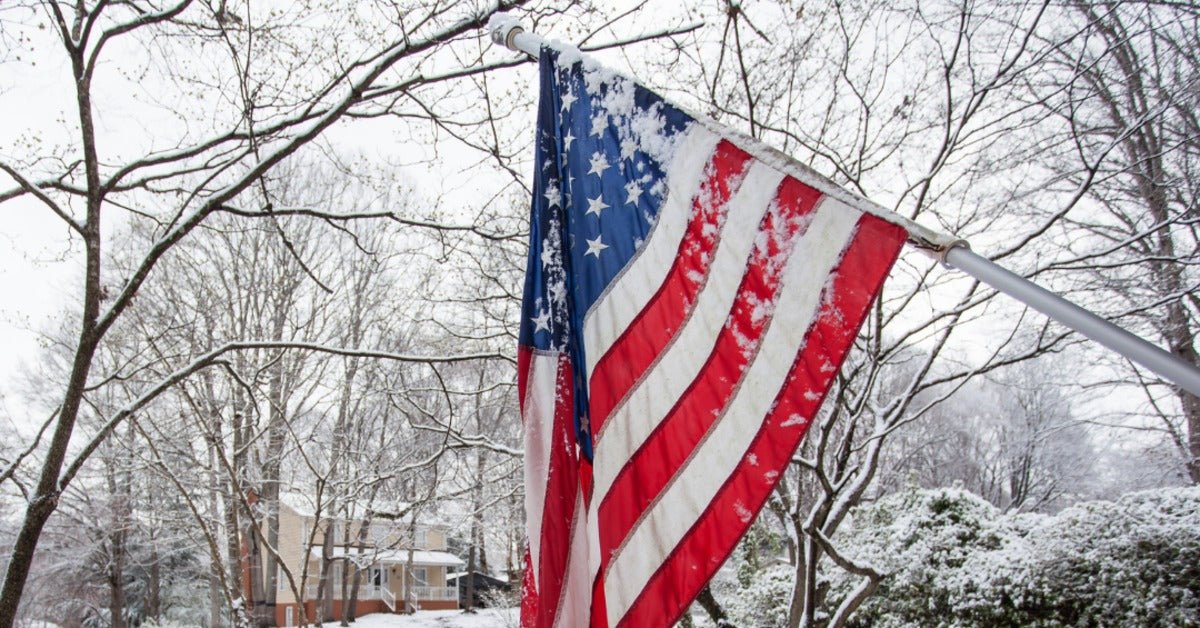
Snow and ice create additional challenges for outdoor flagpole systems. Freezing precipitation can accumulate along the pole's surface and attached components. This buildup adds weight and may increase structural stress during windy conditions. Repeated freezing and thawing can expose weaknesses in worn hardware as well.
Winter weather can also affect fiberglass flagpoles with ice buildup that interferes with their hardware. Ice can collect around the finial and interfere with components that support the flag. Property owners should avoid striking the pole or using sharp tools to remove stubborn ice. Allowing ice to melt naturally reduces the risk of damaging the protective finish.
How Winter Winds Increase Stress on Flagpoles
Winter storms typically bring strong gusts that place considerable pressure on flagpoles. As wind pushes against a flag, the fabric transfers additional force to the pole and its mounting system. Open properties with few surrounding buildings may experience particularly demanding conditions. The flag's dimensions also influence how much pressure the system experiences.
Fiberglass flagpoles can flex under wind loads, but every model has structural limitations. Taller poles and larger flags can increase the demands on a flagpole system. When comparing heavy duty fiberglass flagpoles, buyers should examine manufacturer wind ratings for their intended flag size. Property owners should also follow recommendations for lowering flags before severe weather arrives.

How Freeze-Thaw Cycles Affect the Foundation
A fiberglass flagpole depends on its foundation for stability throughout the year. During winter, moisture in surrounding soil can freeze and expand, potentially causing frost heave. This movement can place pressure on the concrete footing or ground sleeve. As temperatures rise, uneven soil settlement may create additional movement around the foundation.
Properties with poor drainage or frost-sensitive soil face greater concerns during seasonal temperature changes. Repeated ground movement may eventually affect the flagpole's alignment. Proper foundation dimensions should account for manufacturer requirements and local frost depth. Property owners should inspect the surrounding ground for cracks or noticeable changes in position.
How Winter Weather Affects Flagpole Finishes
Many fiberglass flagpoles feature a gel coat that creates a smooth exterior surface. This protective finish helps maintain the pole's appearance during outdoor exposure. Existing scratches or chips may expose the underlying material to moisture and continued weathering. Winter debris and road salt residue can also leave dirt along the surface.
Regular inspections help property owners identify finish problems before they worsen. Use a soft cloth and mild soap to clean accessible areas when temperatures permit. Avoid abrasive cleaners that could scratch the surface or damage its appearance. Follow manufacturer recommendations when addressing damaged coatings or completing exterior maintenance.
How Freezing Conditions Affect Flagpole Hardware
The fiberglass shaft represents only one part of a complete flagpole system. Halyards, pulleys, clips, and other accessories must function properly through changing temperatures. Moisture can freeze around moving components and make raising or lowering a flag difficult. Ice accumulation may also cause ropes to bind against nearby hardware.
External halyard systems expose ropes and pulleys directly to winter precipitation. Internal systems shelter certain components, although their openings and mechanisms still require attention. Recognizing how winter conditions affect fiberglass flagpoles also means recognizing the importance of properly maintained hardware. If a mechanism freezes, avoid forcing it and wait until conditions allow a safe inspection.
How to Maintain Fiberglass Flagpoles During Winter
Consistent maintenance helps property owners recognize problems before severe weather creates additional complications. Fiberglass requires relatively little routine upkeep, but winter inspections should cover the entire flagpole system. Homeowners and facility managers can complete several checks before temperatures begin dropping. These precautions help protect the pole and reduce unnecessary strain on its components:
- Inspect the surface: Look for cracks, scratches, or changes in the fiberglass finish.
- Examine the hardware: Check accessible ropes, clips, and pulleys for damage or restricted movement.
- Check the foundation: Watch for drainage problems, concrete cracks, or changes in alignment.
- Review the flag size: Confirm that the flag matches the manufacturer's recommendations.
- Prepare for storms: Establish a safe procedure for lowering the flag during severe weather.
Winter maintenance should continue after the first major storm. Inspect the system from the ground for visible damage or changes in position. Avoid climbing or attempting repairs during icy or windy conditions. Contact a qualified professional if structural damage or instability raises safety concerns.
How to Choose a Fiberglass Flagpole for Cold Climates
Winter performance starts with selecting a flagpole that suits the property's environmental conditions. Buyers should consider typical wind exposure and the manufacturer's recommendations for cold-weather use. A sheltered residential yard may have different structural demands than an exposed commercial property. Comparing specifications helps buyers identify models that can accommodate their intended display.
Flagpole height and diameter also influence the selection process. Taller poles generally require greater attention to wind loading and foundation design. Larger flags can increase structural demands, particularly during winter storms. Choosing an appropriate combination of pole dimensions and flag size helps support reliable performance.
At Liberty Flagpoles, customers can explore American-made flagpole options for residential and commercial properties. Our selection offers choices for different installation settings and display preferences. Buyers should review product specifications before choosing a model for demanding winter conditions. Proper planning also helps ensure that the foundation and accessories suit the selected pole.

Keep Your Fiberglass Flagpole Ready for Winter
Fiberglass flagpoles offer dependable corrosion resistance, but winter conditions still require thoughtful preparation. Routine inspections help protect the pole's finish and maintain its supporting components. Choosing suitable equipment and following manufacturer recommendations can reduce avoidable maintenance concerns. These precautions help property owners maintain their flag displays throughout the colder months.
Liberty Flagpoles offers flagpole options for homeowners and businesses that want to display their pride throughout the seasons. Our team can help customers compare models and understand important installation considerations. Proper installation plays a significant role in long-term performance, especially where freezing soil creates additional demands. Explore our professional flagpole installation services to see how experienced installers can help establish a secure foundation for your display.