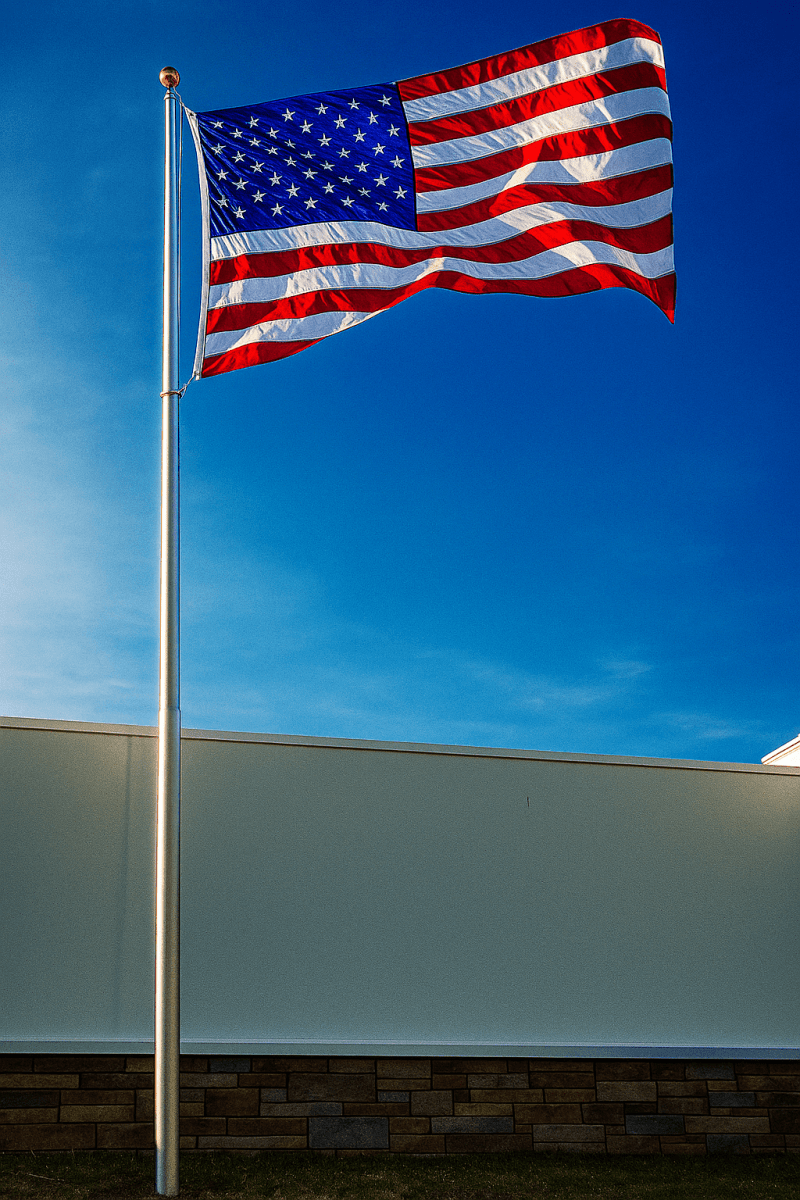
Preparing your yard for a flagpole installation takes more thought than simply digging a hole and pouring concrete. A bit of planning up front helps your flagpole stand straight, stay secure, and feel like a natural part of your property. When you know how to prepare your yard for flagpole installation, you lower the risk of drainage problems, alignment issues, and avoidable repairs later on.
Whether you’re installing a new flagpole to display your pride year-round or upgrading your outdoor space ahead of a holiday or special occasion, proper preparation makes the entire process smoother. From choosing the right location to understanding soil conditions, these steps help ensure your installation starts strong and ends with a result you can feel confident about.
Find the Best Location in Your Yard
Choosing the right spot is one of the most important parts of preparing your yard. The location affects visibility, safety, and how well your flagpole performs over time. A well-chosen spot also helps the flagpole feel intentional rather than added on.
Look for an open area where the flag can fly freely without brushing against trees, power lines, or nearby structures. The flag should have enough clearance to move naturally in the wind without touching the ground or obstacles.
Think about sightlines from both the street and your home. A properly placed flagpole enhances curb appeal and allows your display to be seen and appreciated.
Check Local Rules and Property Restrictions
Before marking the ground, take a moment to review any local requirements that may apply. Zoning ordinances, neighborhood guidelines, or homeowners association (HOA) rules can influence flagpole height, placement, or required setbacks.
Some municipalities restrict how close a flagpole can be to property lines or buildings. These rules are usually easy to confirm, but they matter.
Verifying requirements early helps prevent delays, redesigns, or surprises once installation is underway.
Evaluate Soil Conditions and Drainage
Soil conditions play a big role in long-term stability. Clay, sand, and mixed soil all respond differently to weight, moisture, and temperature changes. Knowing what you’re working with helps you plan a foundation that holds up over time.
Dig a small test hole and see how the soil behaves after it rains. If water pools or drains slowly, you’ll want to plan for extra drainage support to protect the concrete foundation.
Adding a gravel base at the bottom of the hole helps water move away from the footing. This simple step supports durability and reduces stress during freeze-thaw cycles.
Call 811 Before You Dig
Before any digging begins, contact 811 to have underground utilities marked. This free service identifies gas, electric, water, and communication lines on your property.
Striking a buried utility line can lead to serious injury and costly damage. Waiting a short time for markings protects both your safety and your project timeline.
Once utilities are clearly marked, you can confirm your flagpole location and move forward with confidence.

Plan the Foundation Size and Depth
A secure flagpole depends on a properly sized foundation. The depth and width of the footing depend on the height and style of the flagpole you plan to install. Taller poles require deeper foundations to handle wind and changing weather.
Manufacturers provide recommended foundation specifications for each flagpole model. These guidelines are designed for long-term stability and should be followed closely.
Resisting the urge to cut corners here helps prevent leaning, cracking, or shifting down the road.
Prepare the Area for Excavation
Clear the installation area before digging starts. Remove grass, roots, rocks, and debris so excavation can be done cleanly and accurately.
Mark the center point clearly and outline the diameter of the hole to match the required foundation size. Clear markings help keep everything consistent and properly aligned.
If landscaping or irrigation lines are nearby, take steps to protect them. Careful preparation now helps avoid unnecessary damage later.
Understand the Flagpole Components
Before installation day arrives, review the parts involved in your flagpole system. Understanding how the components fit together helps you prepare the site correctly.
Most setups include a ground sleeve, gravel base, concrete footing, and the flagpole itself. If you’re installing a residential flagpole kit, reviewing the instructions ahead of time helps ensure your yard preparation matches the system’s requirements.
Knowing where the sleeve sits and how deep it must be allows you to prepare the hole with accuracy.
Prepare for Proper Alignment
Keeping a flagpole straight starts before the concrete is poured. Plan ahead for how you’ll keep the ground sleeve perfectly vertical while the foundation sets.
Have a level ready and consider temporary bracing or supports to hold the sleeve in place. Small adjustments during this stage make a noticeable difference later.
Taking time to plan a proper alignment helps prevent a leaning flagpole and protects the overall look of your display.
Account for Weather Conditions
Weather can impact both excavation and concrete curing. Check the forecast before preparing your yard so you can plan around rain, extreme heat, or freezing temperatures.
Concrete performs best in moderate conditions. Heavy rain can weaken the footing, while freezing temperatures can interfere with proper curing.
Timing your yard preparation carefully supports a stronger foundation and a smoother installation overall.
Create a Clear Work Zone
Preparing your yard also means setting up a safe, accessible work area. Clearing space around the excavation site makes it easier to move tools, materials, and equipment.
Move vehicles, outdoor furniture, and décor out of the area. This improves safety and helps the project move along without unnecessary interruptions.

Prepare for Long-Term Maintenance
As you prepare your yard, think beyond installation day. Leave enough space around the base of the flagpole to make future maintenance simple and accessible.
Easy access helps with routine care, flag changes, and cleaning, while also protecting nearby landscaping. Some homeowners add a small border or hardscaped area to reduce weeds and improve drainage.
Planning for maintenance helps your flagpole look good and function well for years to come.
Why Proper Yard Preparation Sets You Up for Success
When you understand how to prepare your yard for flagpole installation, each step works together to support safety, stability, and durability. Careful planning helps your flagpole stand tall through changing seasons and weather.
Thoughtful preparation also protects your property. It minimizes costly mistakes, preserves landscaping, and ensures your flagpole stands strong. With the right groundwork in place, your flagpole becomes a lasting feature that reflects pride, care, and attention to detail.
As the nation prepares to mark America’s 250th anniversary on July 4, 2026, many homeowners are thinking ahead about how they want to display their pride for this historic milestone. Preparing your yard now makes it easier to install a flagpole that’s ready for long-term, year-round display. A well-planned installation ensures your flagpole stands strong not just for America 250, but for every patriotic moment that follows.
Ready to take the next step with confidence? Liberty Flagpoles offers American-made flagpoles and flags for you to proudly display in your yard. If you’d like expert assistance, visit our installation services page to explore our professional installation options and get your flag flying the right way from day one.