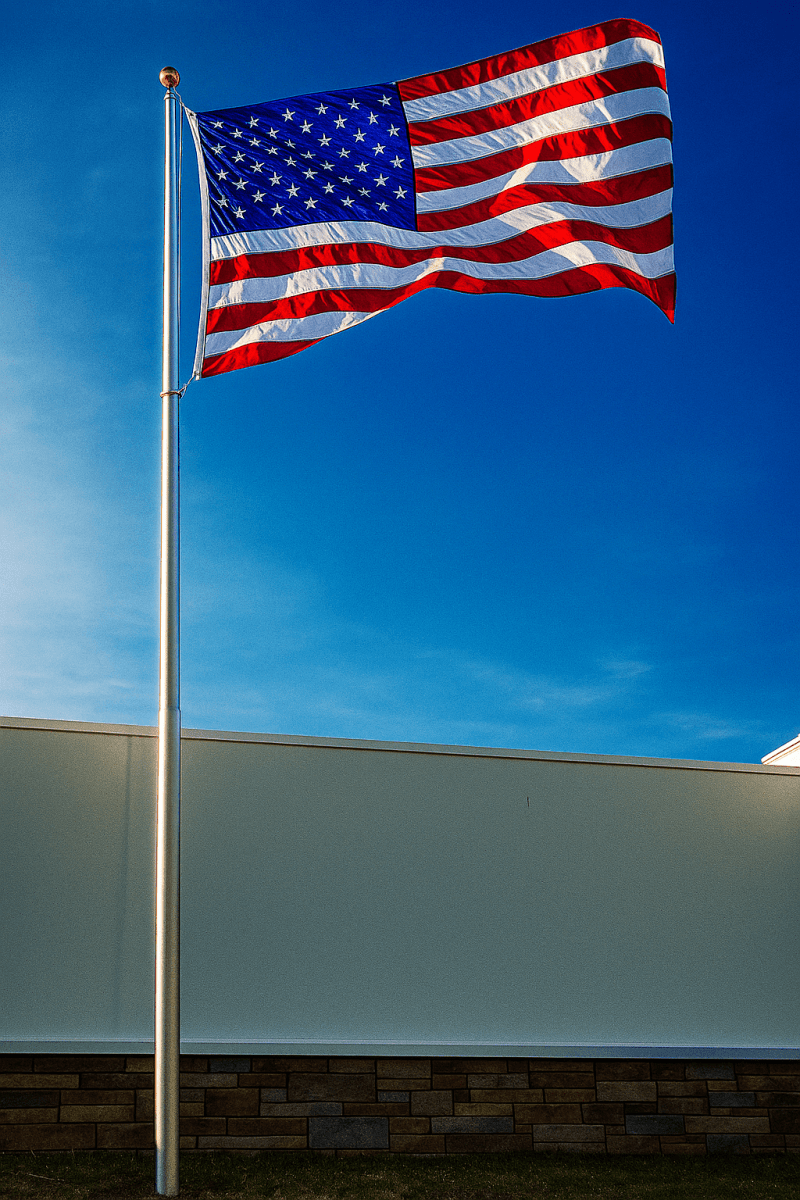

Flying a flag is a classic way to show your pride. The right flagpole helps you do just that, standing tall as a symbol of your values for everyone to see. When it’s time to pick a flagpole, you’ll notice two main types out there. Knowing the differences between a commercial and residential flagpole can help you find the best fit for your property. Both types do the same job at heart, but the design, features, and intended uses set them apart.
What Defines a Residential Flagpole?
A residential flagpole fits right in with home use. You’ll notice these poles are on the shorter side and have a slimmer build compared to commercial options. They’re an easy way for any homeowner to fly their flag with pride or show support for a local cause right from the front yard.
How Does a Commercial Flagpole Differ?
Commercial flagpoles take durability to another level. You’ll notice thicker walls and a wider diameter so they can stand up to strong winds and fly bigger flags without trouble. Picture the tall poles you see outside city halls, storefronts, or at the entrance to a school. These flagpoles need to withstand tough conditions, and many must meet local regulations or building codes.
What Are the Primary Material Differences?
The material you choose plays a big role in how your flagpole looks and how long it lasts. Most residential flagpoles use lightweight aluminum or fiberglass. Both options hold up well against the elements and keep costs down.
You’ll almost always spot commercial flagpoles made from heavy-gauge aluminum or steel. Aluminum gives you a solid mix of strength and resistance to rust, so it looks good and lasts for years. Steel takes things up a notch and is ideal for very tall poles or spots that face strong winds all the time. Both materials are built to keep your flagpole standing proud as a lasting landmark.

How Does Height Factor Into the Decision?
You’ll spot a big difference when it comes to height. Most residential flagpoles stand between 15 and 25 feet tall, perfect for a one- or two-story house. That range keeps things balanced, so your flag looks prominent without overshadowing your home. It’s visible from the street but still feels like a natural part of your front yard.
Commercial flagpoles pick up where residential ones top out, usually starting at 25 feet and stretching up to 80 feet or even taller. You want the height of your flagpole to match the size and presence of the building it’s in front of. A bigger building calls for a taller flagpole so your flag gets the attention it deserves and keeps everything looking balanced.
What Is the Difference in Wall Thickness?
Wall thickness, or gauge, is what gives a flagpole its backbone. Residential flagpoles have thinner walls since they’re not as tall and usually carry lighter, smaller flags. They’re still plenty strong for most neighborhoods and hold up well against everyday weather.
A heavy-duty commercial flagpole takes wall thickness to another level. These poles have a solid, sturdy build that lets them handle oversized flags and stand strong in high winds. If you want your business or organization’s flag to fly proudly—no matter how rough the weather gets—you need this kind of strength. The thicker walls keep the pole from bending or giving way, protecting your investment and making sure your flag remains a symbol of pride through it all.
How Do Halyard Systems Compare?
The halyard is a rope system that lets you raise and lower your flag, and it comes in a couple of setups. Most residential flagpoles use an external halyard, with the rope running along the outside of the pole and looping through a pulley at the top. It’s a straightforward system that’s easy to use and makes everyday flag flying simple.
Commercial flagpoles give you a choice between external and internal halyard systems, depending on what you need. With an internal halyard, the rope or steel cable runs inside the flagpole and is accessible through a small, locked door at the base. This system protects the halyard from weather and vandalism, offering a clean look and enhanced security.
What Are the Wind Rating Distinctions?
Wind rating tells you how much wind a flagpole can handle before you need to worry. Most residential flagpoles are built to stand up to the breezes and gusts that roll through suburban and rural neighborhoods.
Commercial flagpoles easily outpace residential ones when it comes to wind ratings. Engineers build them to shrug off gale-force winds, even while flying those big, heavy flags you see in front of businesses or public buildings. You’ll find certified wind ratings listed for these poles, which really matter if your property sits by the coast, out on the plains, or atop a tall building.

What About the Finish and Appearance?
Both types of flagpoles come in a range of finishes so you can match your property’s style. Most residential flagpoles offer options like satin aluminum, clear anodized, or classic bronze. These finishes don’t just look sharp; they also stand up well against chipping, fading, and whatever the weather throws their way.
Commercial flagpoles bring you the same finish options, but with a focus on durability and high-quality looks that last in busy, public spots. Most people go for the classic satin aluminum, which offers a clean and timeless appearance. Anodized bronze and black are also popular if you want something that pairs well with more modern buildings or stands out in a unique way.
Which Is the Right Choice for Your Property?
The right flagpole depends on what you want for your property. For most homeowners looking to display a standard-sized flag in the front yard, a residential flagpole checks all the boxes. It’s budget-friendly, looks great, and goes up with little hassle.
If you run a business, look after a public park, or take care of a school property, a commercial flagpole is the smart way to go. You’ll get the toughness, extra height, and security you need for a flag that faces the public every day.
Once you understand what sets a commercial and residential flagpole apart, picking the right one feels a lot less overwhelming. Go with the option that matches your property, your budget, and your vision for showing your flag. That way, you’ll enjoy years of worry-free flying and a display that truly stands tall.
For a seamless experience from start to finish, trust our professional installation services. Let us handle the setup so you can enjoy your new flagpole with total confidence.